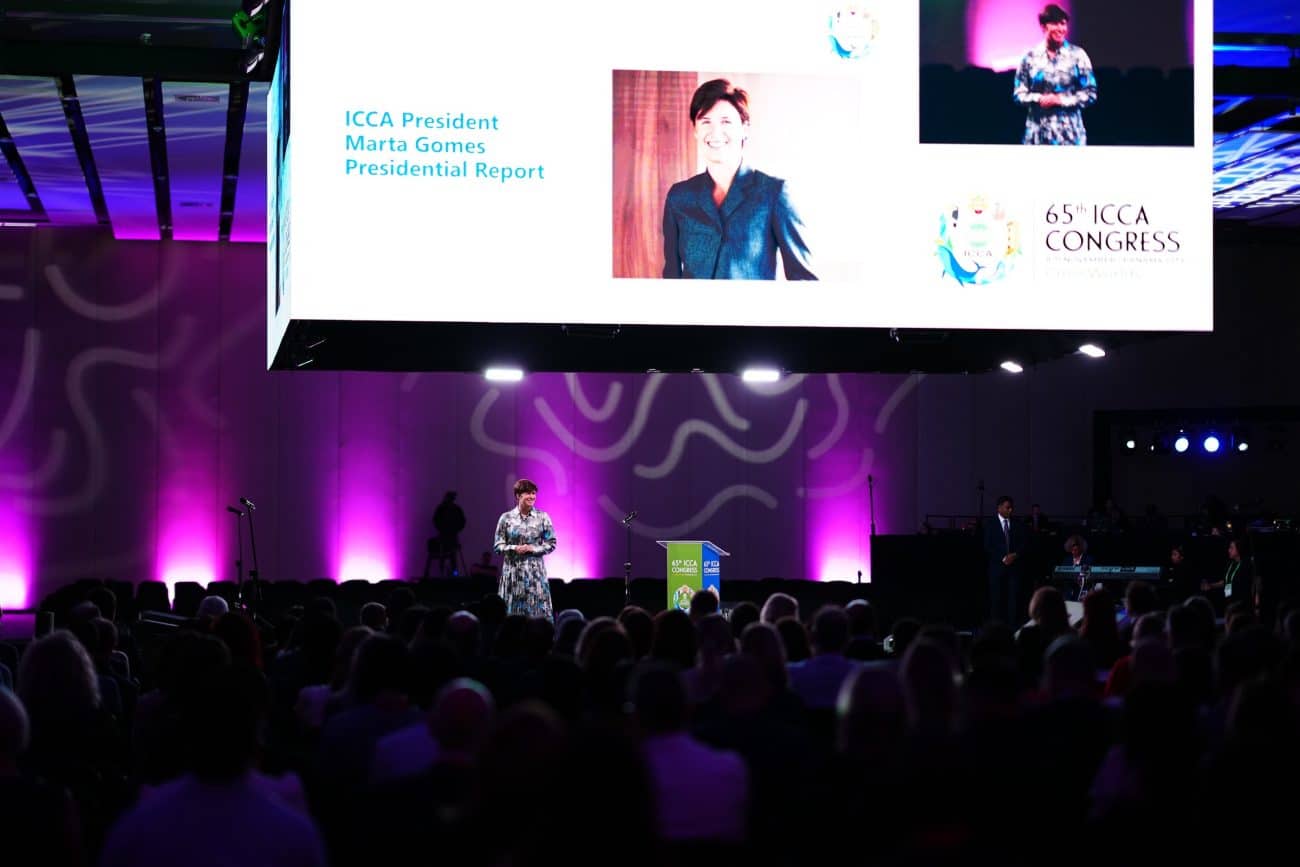
Panama, a country whose history has been shaped by connecting oceans, continents and cultures, provided an appropriate setting for the 65th ICCA Congress, held from 8 to 11 November. Under the theme CrossWorlds: The Crossings We Bring, The Crossings We Choose, the Congress invited delegates to venture beyond familiar professional circles and consider what international meetings can achieve when different perspectives come together.
Hosted at the Panama Convention Center, the Congress brought ICCA’s flagship gathering back to Latin America for the first time in five years. Supported by the Panama Tourism Authority (ATP) and PROMTUR Panamá, it was also a milestone for a destination that has spent recent years methodically building its credentials in the association market, becoming ICCA’s only partner in Latin America and welcoming the association’s regional office within the Panama Association Hub.
Making Room for Connections
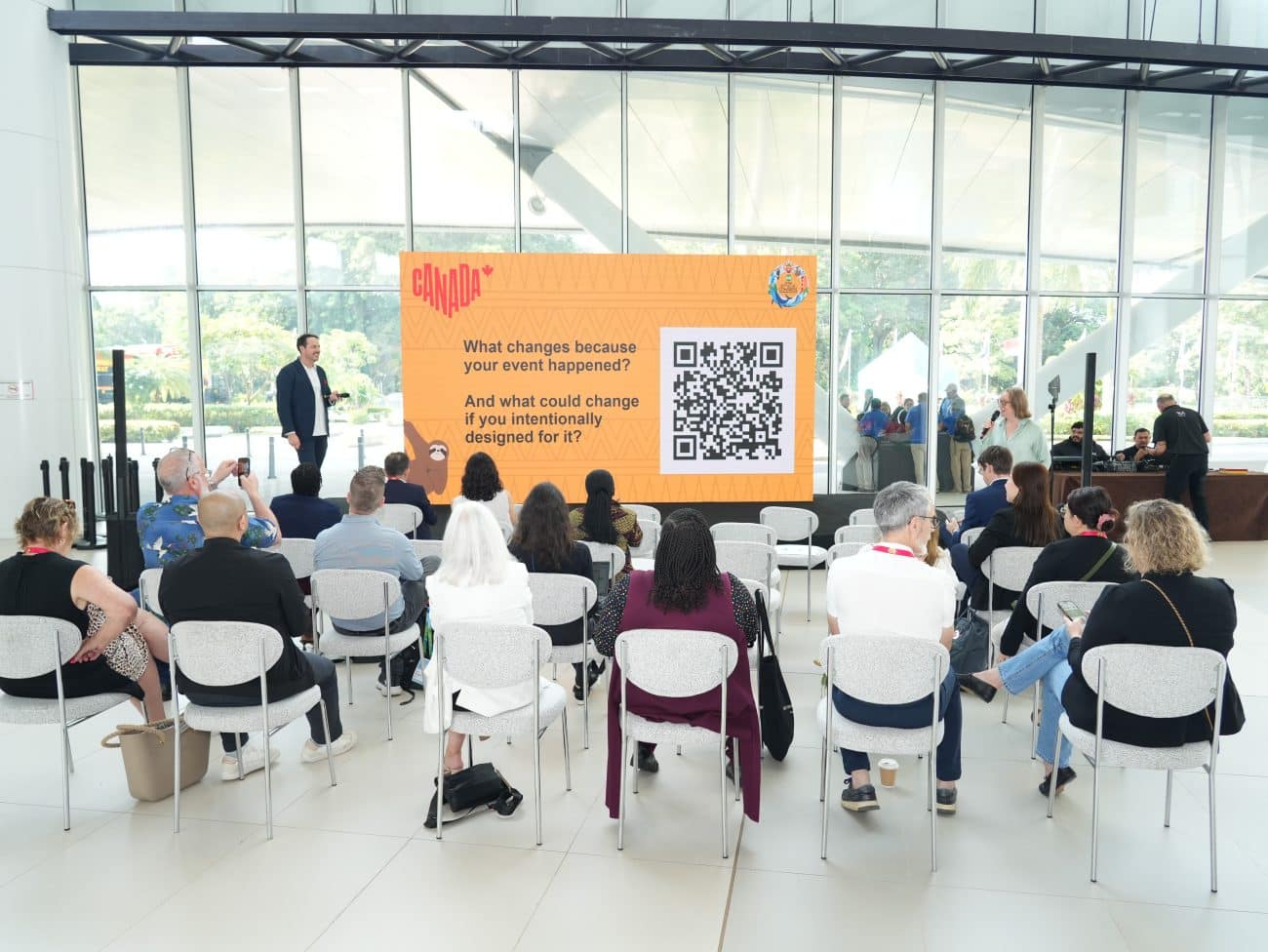
Building on last year’s experimental Congress in Porto, ICCA continued to rethink the traditional conference format. Approximately 60% of the programme was dedicated to networking, with business exchanges, peer-to-peer discussions, interactive activities and deliberately structured opportunities for delegates to meet. Rather than leaving connections entirely to chance, the organisers made them an integral part of the experience.
ICCA’s education team has a name for this philosophy: “Edu-Networking”, the idea that learning should be woven into every interaction rather than confined to the plenary room. In practice, it translated into cross-sector meetups, peer-to-peer advisory sessions, community hubs and themed networking spaces. The Sharing Hub concept, carried over from Porto, grouped similar stakeholders, such as venues, around practical, region-focused challenges so they could compare notes.
But perhaps the most distinctive development was the introduction of six external co-curators: AC Forum, CAF – Development Bank of Latin America and the Caribbean, IEEE, UN Tourism, the United Nations Research Institute for Social Development (UNRISD) and the World Economic Forum. Their involvement brought association leadership, development finance, technology, tourism, social development and economic policy into conversations traditionally dominated by business events professionals. These organisations challenged the industry to examine its relevance to wider societal priorities, from sustainable development and knowledge exchange to the economic value of international gatherings. The participation of AC Forum was particularly significant, bringing the perspective of associations themselves into discussions about how congresses can better serve their missions and members.
The result was something closer to several congresses within a congress, with delegates moving between high-level policy discussions and sector-specific challenges without leaving the venue. A dedicated World Economic Forum session addressed strategy and leadership for associations and meeting planners, while a group of mayors discussed how business events can attract investment and drive scientific progress and innovation at city level. Research also found a more visible place in the programme through a Special Research Stream, run by ICCAUni and chaired by Prof Nellie Swart of the University of South Africa, which presented peer-reviewed work on value, legacy and knowledge in convention tourism.
The association dimension extended beyond the programme itself. The AMC Institute held its autumn board meeting in Panama City ahead of the Congress before its leadership joined the ICCA community for the opening ceremony, a further sign of the growing collaboration between the two organisations.
This ambition to strengthen relationships with associations was also reflected in the election of Christoph Tessmar, Director of the Barcelona Convention Bureau, as ICCA’s new President, succeeding Marta Gomes of Viparis. Tessmar, who has led the Barcelona Convention Bureau since 2012 and brings more than three decades of experience in the meetings industry, stressed the importance of bringing ICCA members and association executives closer together: “We should find a way to better connect both sides at the right time and space.”
Technology, Creativity & Impact
Artificial intelligence featured prominently throughout the Congress, but the discussions were far from uncritical. Alongside its practical applications, speakers raised questions about reliability, accountability, environmental costs and the risk of allowing technology to replace meaningful human interaction. The underlying challenge was how to harness AI’s potential without losing sight of the people it is intended to serve.
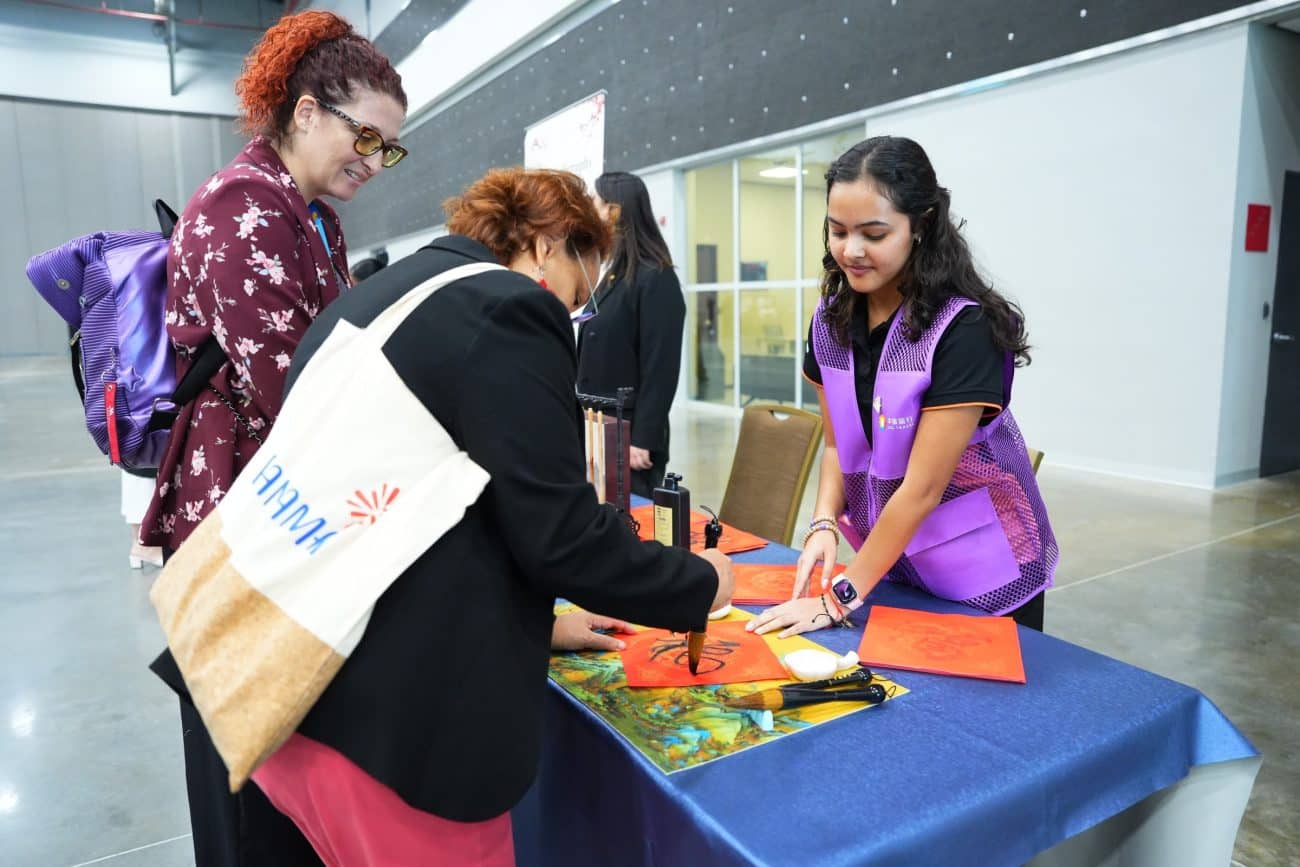
Impact, meanwhile, was addressed in more tangible terms. Environmental activist Erin Brockovich took part in the opening day, setting a tone of accountability that ran through the Congress’s “People, Planet and Legacy” framework. Workshops on recycled plastics with Panamá Verde and the Clandestino Lab, as well as community initiatives such as the Gift of Love programme supporting the Fundación Casita de Mausi, were built into the official itinerary. Behind the scenes, the Panama Convention Center reports that catering prioritised local ingredients and regional producers, that materials were reused, and that single-use plastics were left out altogether.
Creativity and impact were also celebrated through two established ICCA awards. The Best Marketing Award went to Vienna Convention Bureau for Waltz into Space, an imaginative campaign developed with the European Space Agency that transmitted Johann Strauss II’s The Blue Danube into space. Performed live by the Wiener Symphoniker and beamed from ESA’s deep space antenna in Cebreros, Spain, towards Voyager 1, the waltz symbolically corrected its absence from the Voyager Golden Records of 1977, in the year that marked the bicentenary of the composer’s birth.
Meanwhile, the Incredible Impacts Award, presented by ICCA and BestCities Global Alliance, recognised Autism-Europe’s 2025 Congress in Dublin for its autistic-led approach to accessibility, inclusion and employment opportunities.
After Panama, Kigali
Panama’s ambitions in the international meetings market received high-level recognition with the appearance of President José Raúl Mulino, who addressed delegates and outlined his government’s plans to position the country as a congress hub for the Americas. As he put it, “When a country hosts an international congress, it doesn’t just welcome visitors. It welcomes ideas, talent, knowledge, investment and opportunities for development.”
The figures suggest those ambitions rest on solid ground. According to the ATP, the Congress generated an initial economic injection of US$3.2 million and more than 7,200 room nights, and Gloria De León, Administrator of the Panama Tourism Authority, reported meeting eleven associations interested in considering Panama for future events.
With 15,400 square metres of exhibition space, a 4,000-square-metre ballroom and 16 meeting rooms, the Panama Convention Center gives the destination the infrastructure to compete, with medium-sized meetings of 250 to 999 participants identified as a particular sweet spot. The regional context is favourable too: according to ICCA data, Latin America and the Caribbean’s share of the global meetings market has grown from 6% to 9% since 2022. The task now is to turn the goodwill generated in Panama City into confirmed bids.
As ICCA prepares to take its Congress to Kigali, Rwanda, from 24 to 27 October 2027, marking its return to Africa for the first time in twenty years, before heading to Muscat, Oman, in 2028, the Panama edition reinforced the value of looking beyond familiar networks and embracing different perspectives, while keeping human connection at the heart of international meetings.
Visit the ICCA website here.