 Calgary TELUS Convention Centre
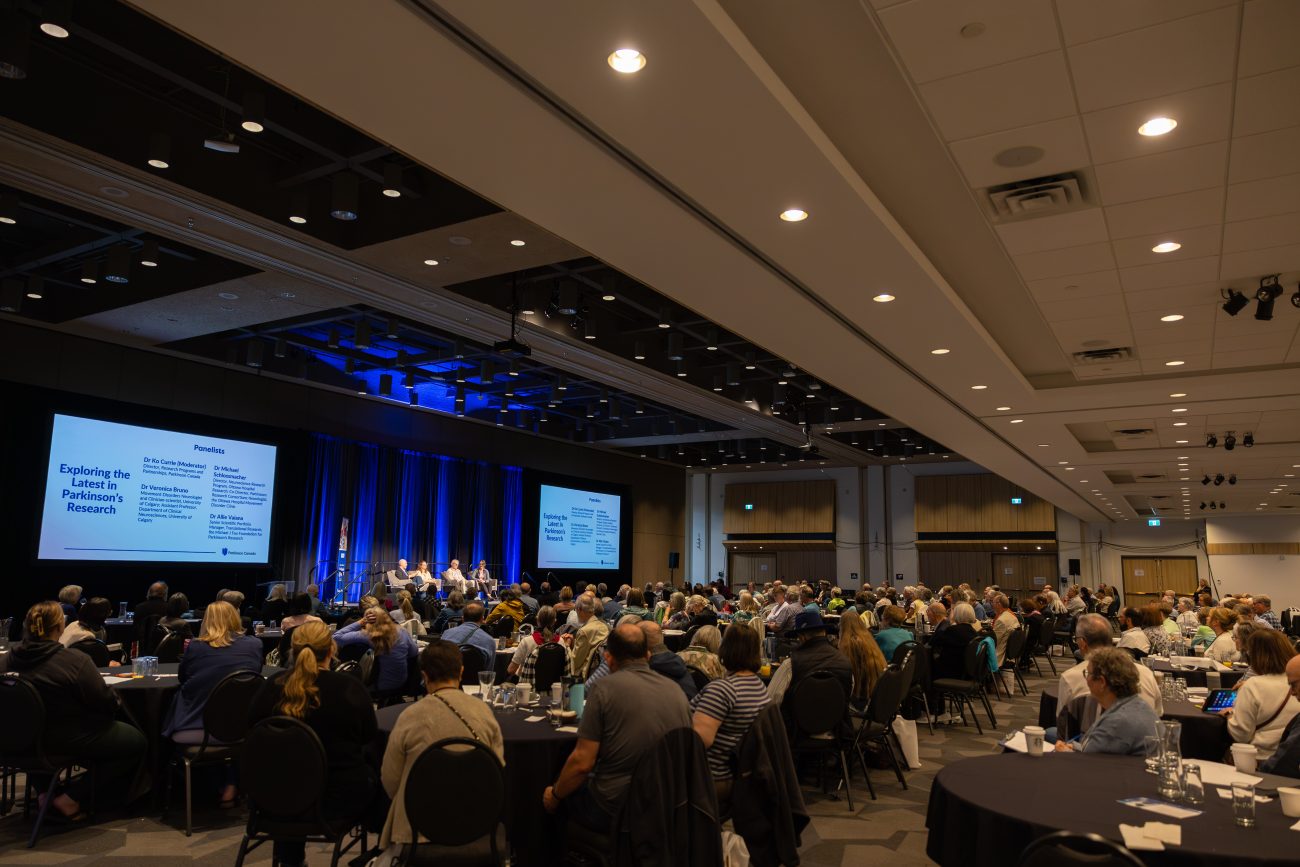
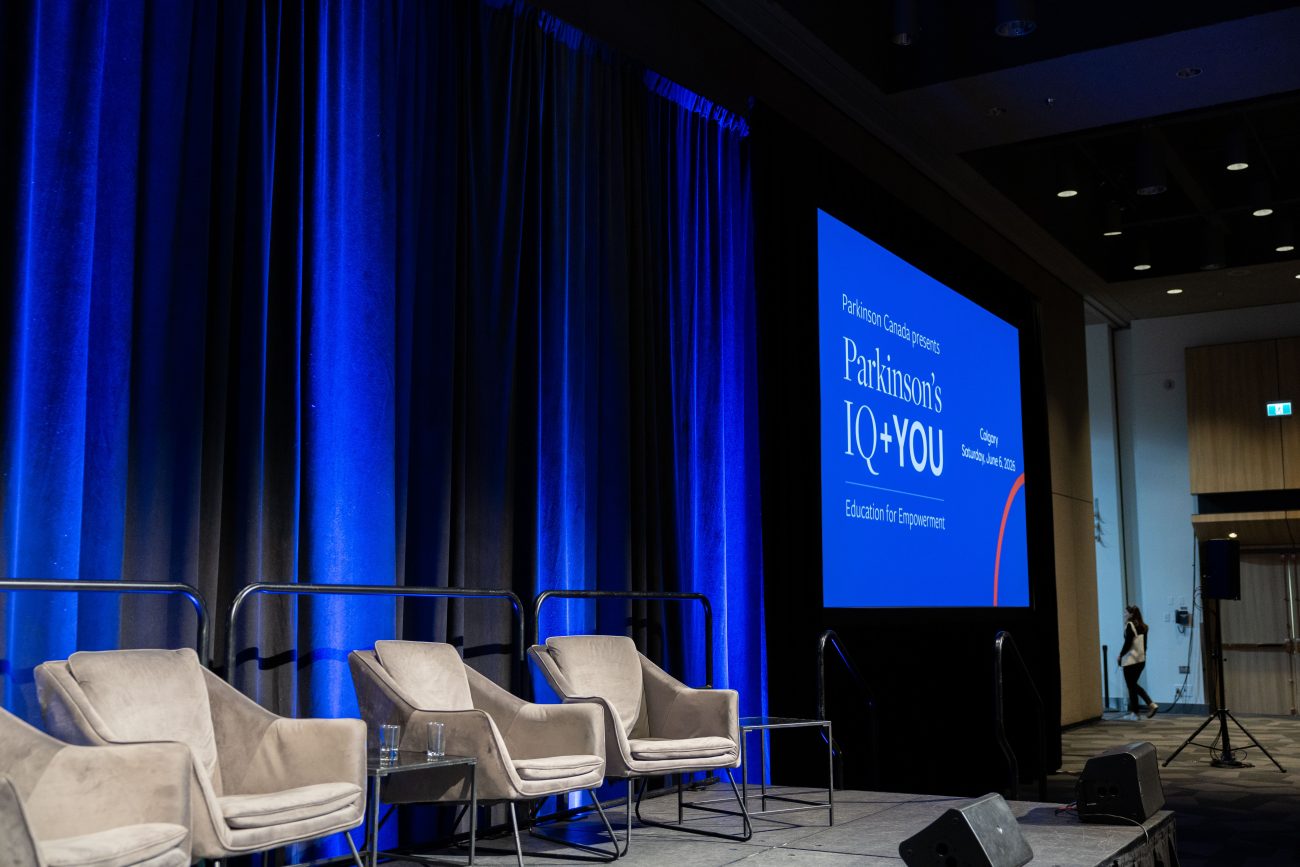
On 6 June 2026, the Calgary TELUS Convention Centre welcomed people living with Parkinson’s, care partners, healthcare professionals, researchers and community organisations for a day dedicated to knowledge, support and connection. The event attracted 316 registrations, with 259 participants checking in – an 82% turnout.
Developed by the Michael J. Fox Foundation for Parkinson’s Research and delivered in Canada by Parkinson Canada, the free Parkinson’s IQ + You initiative was first launched in 2019. Previous Canadian editions have taken place in cities including Vancouver, Winnipeg, Montreal and Toronto. Calgary’s selection reflected its role as a regional healthcare hub and the opportunity to reach people across Alberta and the Prairies.
“We know that access to specialised Parkinson’s care can vary depending on where someone lives,” explains Emily Brown, Manager – Events and Experiences. “What weighed most heavily in the decision was the opportunity to improve access to trusted information, expert insights and meaningful connections to care and support for as many people as possible.”
Accessibility at the heart of the experience
For an event serving people living with Parkinson’s, venue accessibility was a central consideration.
“The Calgary TELUS Convention Centre offered much more than a central location,” says Brown. “Its accessibility-first approach includes mobility-friendly event spaces, quiet retreat areas, clear wayfinding tools, accessible seating and event layouts, and services designed to help guests navigate the venue comfortably and independently.”
These provisions were particularly relevant for attendees who might experience mobility difficulties, fatigue or other symptoms affecting their participation. The aim was to make it possible for visitors to attend the sessions, move between spaces and engage with exhibitors without unnecessary physical barriers.
The programme itself ran from 10 am to 2.30 pm. Its accompanying Partner Expo introduced attendees to local organisations offering exercise programmes, support groups, care options and research opportunities.
Connecting research with lived experience
Calgary’s clinicians and researchers contributed directly to the programme, which featured three panel discussions exploring different aspects of living with Parkinson’s.
The first addressed how patients can assemble an effective care team, while the second brought together three neurologists to discuss developments in Parkinson’s research and the importance of patient participation in studies. Among the speakers were Dr Michael Schlossmacher and Dr Veronica Bruno, both associated with the Canadian Open Parkinson Network (C-OPN).
The third panel focused on lived experience, with members of the Parkinson’s community sharing personal perspectives on diagnosis, support and the value of connecting with others facing similar challenges.
“Calgary is home to leading clinicians, researchers and community organizations that brought valuable expertise and local perspectives to the event,” Brown explains. Their involvement gave participants an opportunity to meet specialists from their own region and learn about services available locally.
Among the organisations supporting people affected by Parkinson’s in the province is Parkinson Association of Alberta, which provides education, practical assistance, support programmes and advocacy for individuals and families living with the disease. Its work illustrates the local support network available to patients and care partners beyond events such as Parkinson’s IQ + You.
One of the organisations participating in the event was the Canadian Open Parkinson Network, whose Calgary site, the Calgary Parkinson Research Initiative (CaPRI), connects people living with Parkinson’s to research opportunities.
The national network brings together researchers and clinical centres across Canada, collecting clinical information and biological samples from consenting participants to support studies into Parkinson’s disease and related disorders. Its Calgary research site is based at the University of Calgary.
According to the network’s post-event report, its exhibition stand generated considerable interest, with a number of attendees registering to participate in CaPRI on the spot. This was one of the event’s most concrete outcomes: visitors who had come to learn about Parkinson’s were also able to take an immediate step towards contributing to research in their own city.
What remained after the event?
The full impact of Parkinson’s IQ + You is still being assessed, and no figures have been released on subsequent research participation or new partnerships resulting from the gathering.
“It’s still relatively early to measure the full impact, but one of the most important benefits has been strengthening connections within Calgary’s Parkinson’s community,” Brown says.
For some participants, those connections meant discovering local support services or meeting healthcare professionals. For others, they offered an introduction to research programmes they could join. The event also gave researchers an opportunity to hear directly from people living with Parkinson’s. The C-OPN post-event account described conversations with attendees and highlighted the importance of involving patients in scientific progress.
For associations considering a public-facing programme alongside an international medical congress, Brown sees an opportunity to involve people who might otherwise remain outside the professional discussions.
“When planned thoughtfully, these events help translate expertise into real-world value by bringing together experts, community organizations and the people who stand to benefit most from the conversations happening at the congress.”
The Calgary experience involved the local medical community early, opening doors that a conventional congress programme might leave closed. In this case, some of those doors led directly to opportunities for patients to participate in research.
To learn more about hosting medical and association events in Calgary, visit the Calgary TELUS Convention Centre.