 © Pavan Trikutam / Unsplash
 A delegate may come to your conference for a particular speaker or topic without knowing much about the association behind it. Long-standing members arrive with a different understanding. The same event has to make sense to both.
For association leaders, this raises a question beyond attracting registrations: what should people understand about the organisation by the time they leave? A conference brings attention to its expertise, but it can also explain how that expertise is assembled, what principles guide the work and where others might contribute.
This was part of the challenge around ILSI Europe’s 40th anniversary symposium, held in Brussels on 15–16 June 2026. Working alongside the Secretariat and organising committee on the communication, we connected two strands: information about the event itself, and information about the association’s purpose, working methods and future.
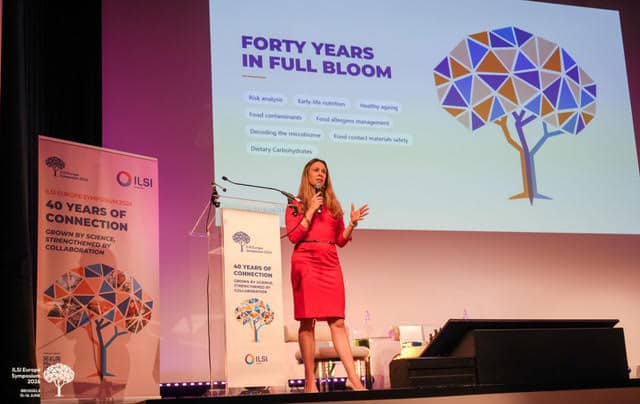
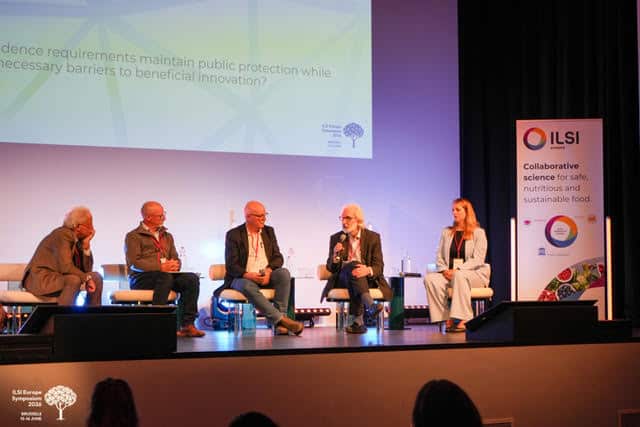
The programme, speakers and practical arrangements remained essential. Alongside them, the website offered two ways to explore the organisation: a Tree of Collaboration and an anniversary timeline. Each approached a different question.
Making the association understandable
An association’s members may be familiar with its committees, research groups and procedures. A first-time participant cannot be expected to know how those parts fit together.
The Tree of Collaboration presented ILSI Europe’s work through a connected structure. Its roots described scientific principles and safeguards. The trunk explained a collaboration model involving scientists from academia, industry and the public sector. Its branches organised the research across food safety, nutrition and sustainability.
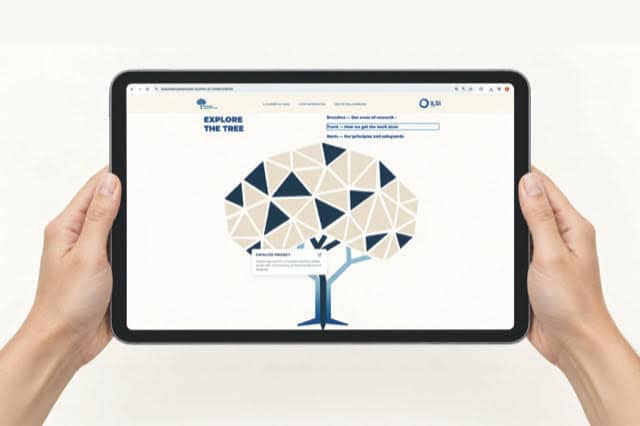
This gave the explanation an order. Visitors could move between the subjects being researched, the way people worked together and the principles supporting that work. The organisational model was available to explore alongside the scientific programme.
The useful lesson is less about the choice of a tree than about what an association chooses to explain. Naming a research group tells a newcomer relatively little. Showing who contributes, how the work is organised and what guides it provides a basis for understanding why the group exists.
That is worth considering when preparing conference content. Which aspects of your operating model do you take for granted internally? Where would a newcomer find an explanation? These questions can reveal gaps that another welcome message or a longer institutional introduction would not resolve.
For participants, this context can help place an individual session within a longer conversation: which questions are already being explored, who is involved and where their own knowledge might be useful.
Connecting the story with the community’s concerns
An anniversary creates a particular editorial temptation: to collect everything the organisation is proud of and arrange it by date. That may serve an archive. It gives a visitor less help in understanding why the work still matters.
The anniversary timeline placed ILSI Europe’s scientific milestones alongside social, political and cultural developments in Europe. The organisation’s history became one thread within a wider story, with changes in science, public concerns and everyday life appearing together.
For example, an entry on nutrition and ageing was placed in the context of concerns about longevity and care. The connection offered a way into the subject beyond the history of a research activity.
These choices need judgement. Placing developments alongside one another should not suggest that the association caused a wider change or resolved a societal challenge. The value lies in giving context to its work, without inflating its contribution.
An association does not need an anniversary to take this approach. A conference theme may have a history worth explaining: how a question emerged, why the community began working on it and what remains unresolved.
Selecting that history requires looking beyond internal milestones. A new committee matters to insiders; the question that led to its creation may matter to everyone in the room. That question can connect experienced members with participants who are encountering the organisation for the first time.
Bringing the story into the conference and its future
The institutional narrative also needs a connection with what people are being invited to discuss.
At ILSI Europe, the programme’s opening keynote by nutrition scientist David Mela addressed scientific integrity, the influence of biases and the need to examine uncomfortable evidence. These themes echoed the principles described in the tree. A visitor could see a relationship between the organisation’s stated foundations and a subject placed on the conference agenda.
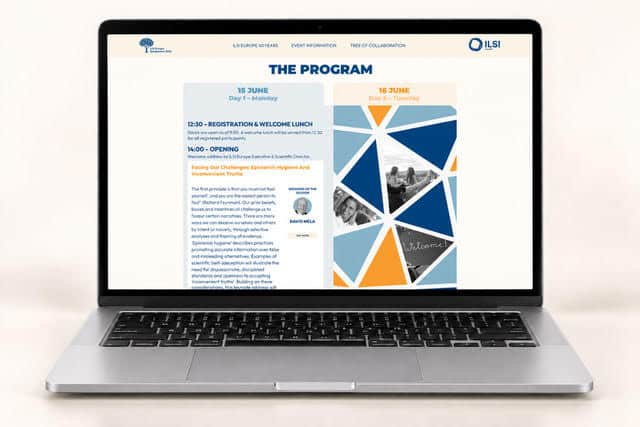
This is a useful check for any association. If collaboration, transparency or participation features prominently in its communication, where can a participant encounter it in the programme? The answer should be specific enough to identify a discussion, a working format or an opportunity to contribute.
The website also explained different routes into ILSI Europe’s network, including company membership and contributions by academic and public-sector experts. It invited visitors to suggest future topics and highlight scientific contributions.
Here, explaining the association led to a practical next step. Someone interested in a research area could also find out how involvement might continue beyond attending the event.
Such invitations deserve the same attention as registration information. They need a clear recipient, a realistic description of the contribution sought and an understanding of how the association will respond. Those are organisational decisions as much as communication choices.
None of these elements, by themselves, tells us what participants understood or whether they became more involved. That would require feedback and follow-up. What the case offers is a set of observable choices about how to make an association easier to understand while supporting its conference.
About the author
Alain Steinberg is Co-Founder and Director of #inextremis, a Brussels-based communication agency. He works with European associations on strategic communication and is the author of several publications, including The Multichannel Imperative.