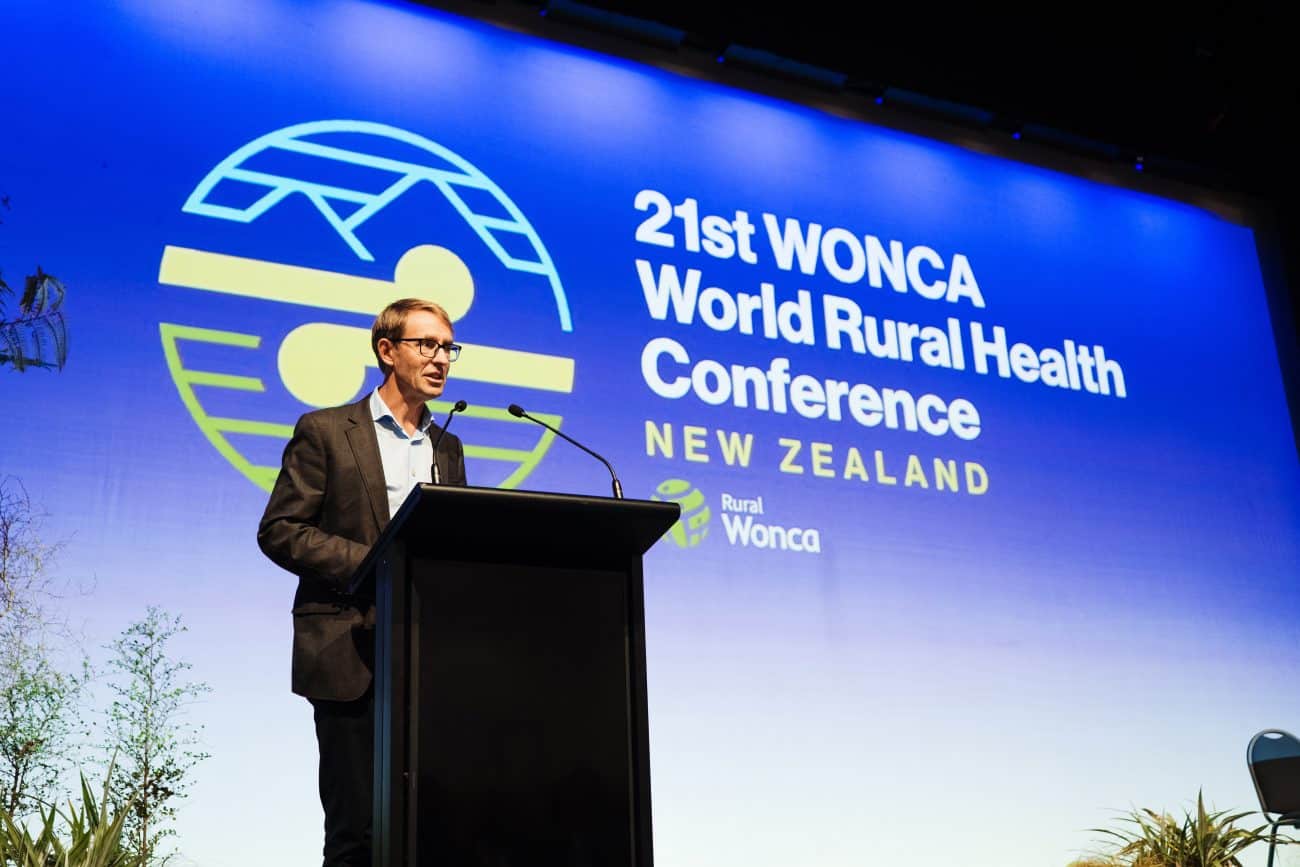
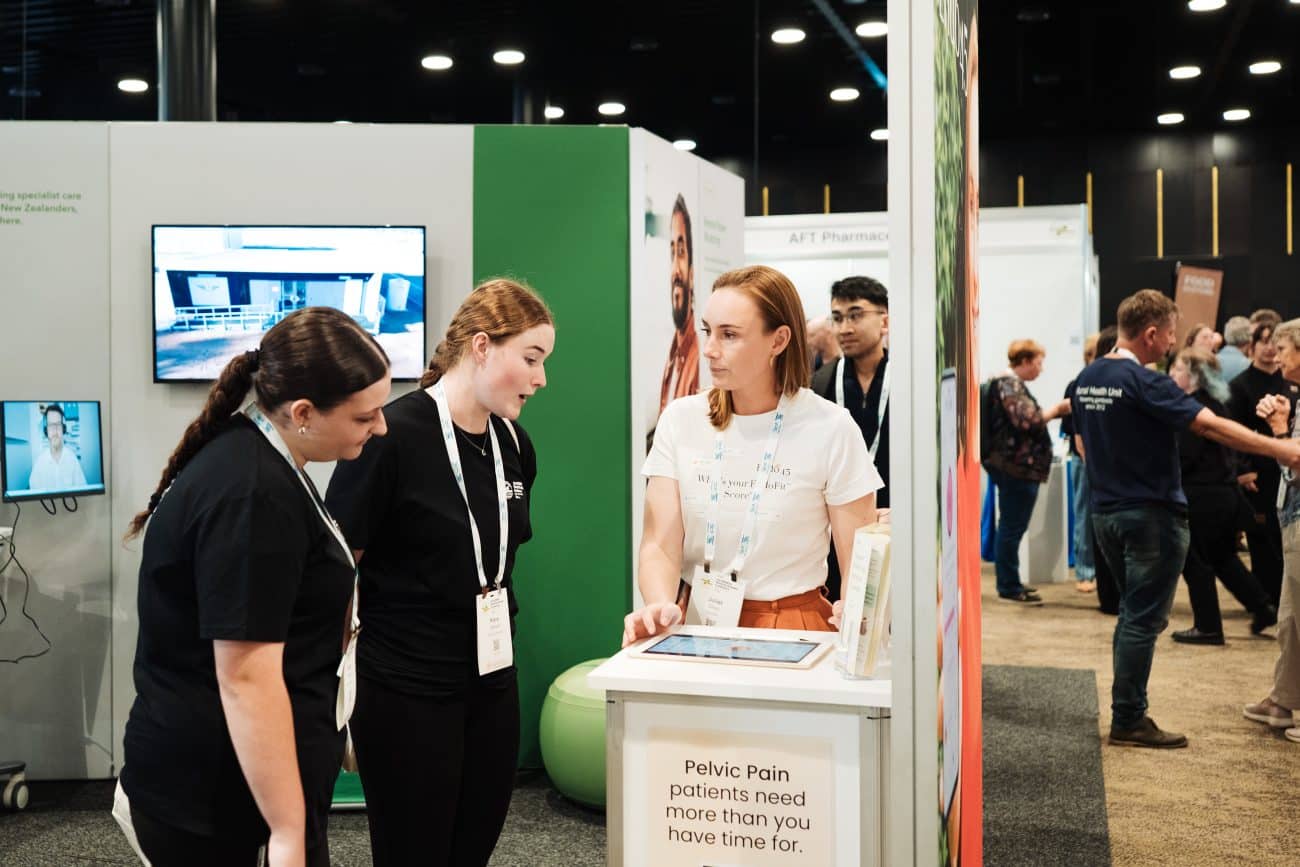
There is a particular kind of conference that doesn’t just talk about change: it makes it happen in the room. The 21st WONCA World Rural Health Conference, held at Tākina Wellington Convention and Exhibition Centre from 10 to 13 April 2026, was that kind of conference. Nearly 1,000 delegates from 40 countries (health professionals, researchers, indigenous leaders, rural community advocates) gathered in the New Zealand capital for four days that produced a major global initiative, a national policy declaration, and a shift in how international rural health conversations are being framed.
It was also the largest international association conference Wellington has hosted to date.
The right city, for the right reason
New Zealand’s selection as host wasn’t accidental. The country’s strong rural demographic, its long-standing indigenous health leadership, and its commitment to health equity made it a natural fit for a conference whose entire purpose is to elevate rural medicine on the global agenda. Wellington, specifically, added something else: proximity to power.
Dr Grant Davidson, Chief Executive of host organisation Hauora Taiwhenua didn’t mince words about what that meant in practice. “Too often policies are designed for urban systems and adapted later for rural communities,” he said. “Hosting the conference in Wellington, the capital of Aotearoa New Zealand, gave us visibility. The location provided an accessible opportunity for members of parliament to attend, present their policies, and hear directly from those affected by policy. This doesn’t happen anywhere else for our rural communities.”
It is the kind of observation that convention bureaus spend years trying to articulate and that host organisations occasionally manage to demonstrate. Wellington helped produce a live outcome. Associate Minister for Health Hon Matt Doocey attended and spoke, engaging directly with the strategic direction set out by delegates. Business Events Wellington and Tourism New Zealand Business Events provided the infrastructure and support that made the ambition deliverable.
Legacy before the closing dinner
Two announcements defined the conference’s lasting footprint. The first was the Aotearoa New Zealand Declaration on Rural Health 2026, a national roadmap built around six priority areas targeting stronger rural health systems, better access to care, and a sustainable rural workforce. Dr Fiona Bolden, Chair of Hauora Taiwhenua and Co-Chair of the conference Host Committee, framed it with precision: “For too long decisions have been made without rural voices at the table. The Declaration sets out what needs to happen next. This is the legacy of the conference for rural communities.”
The second was GRACE, the Global Rural Health Action, Collaboration and Excellence initiative, a new international framework designed to drive policy and share practical solutions to improve rural health outcomes. Dr Pratyush Kumar, Chair of the WONCA Working Party on Rural Practice, was direct about the ambition: “GRACE is about turning shared knowledge into coordinated global action, and Aotearoa New Zealand is an ideal place to lead that conversation.”
Indigenous knowledge as conference architecture
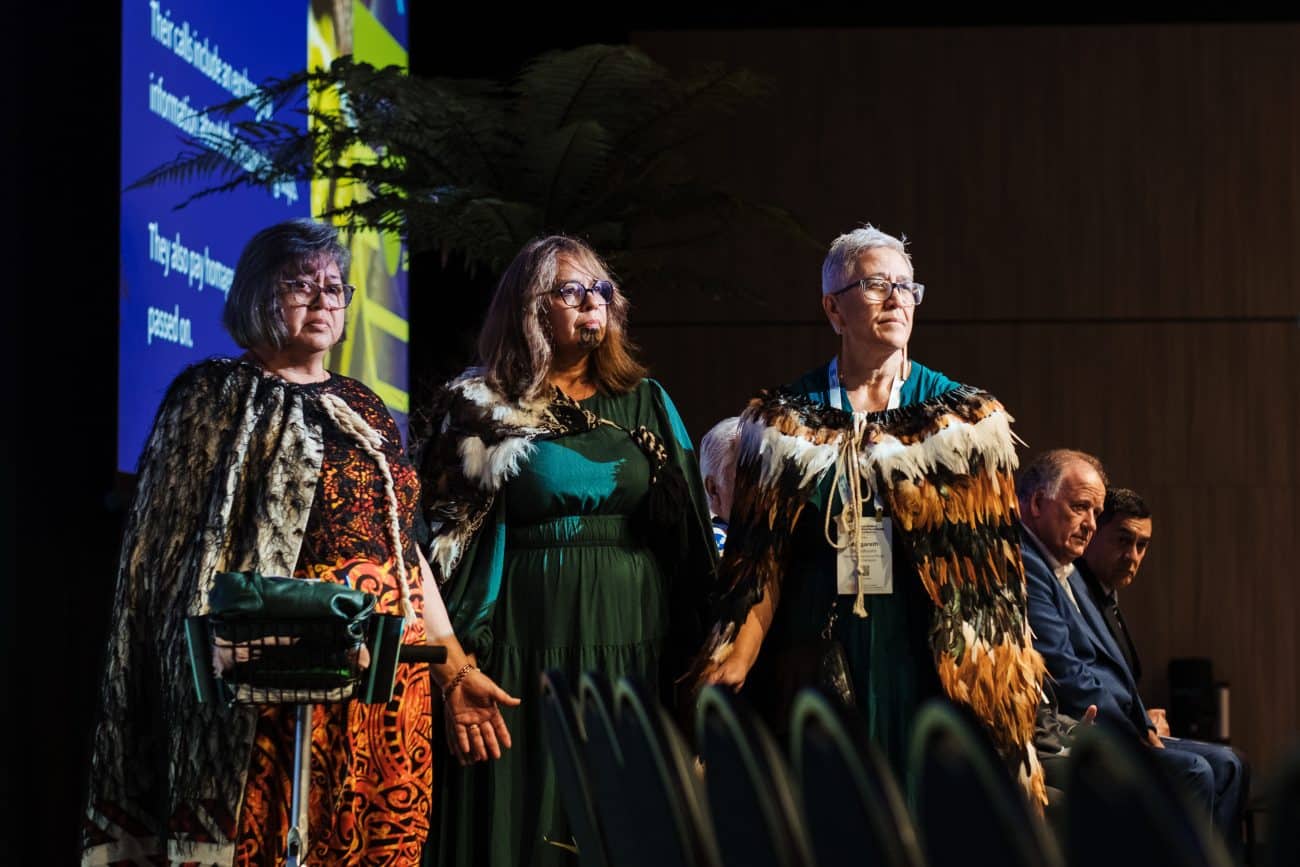
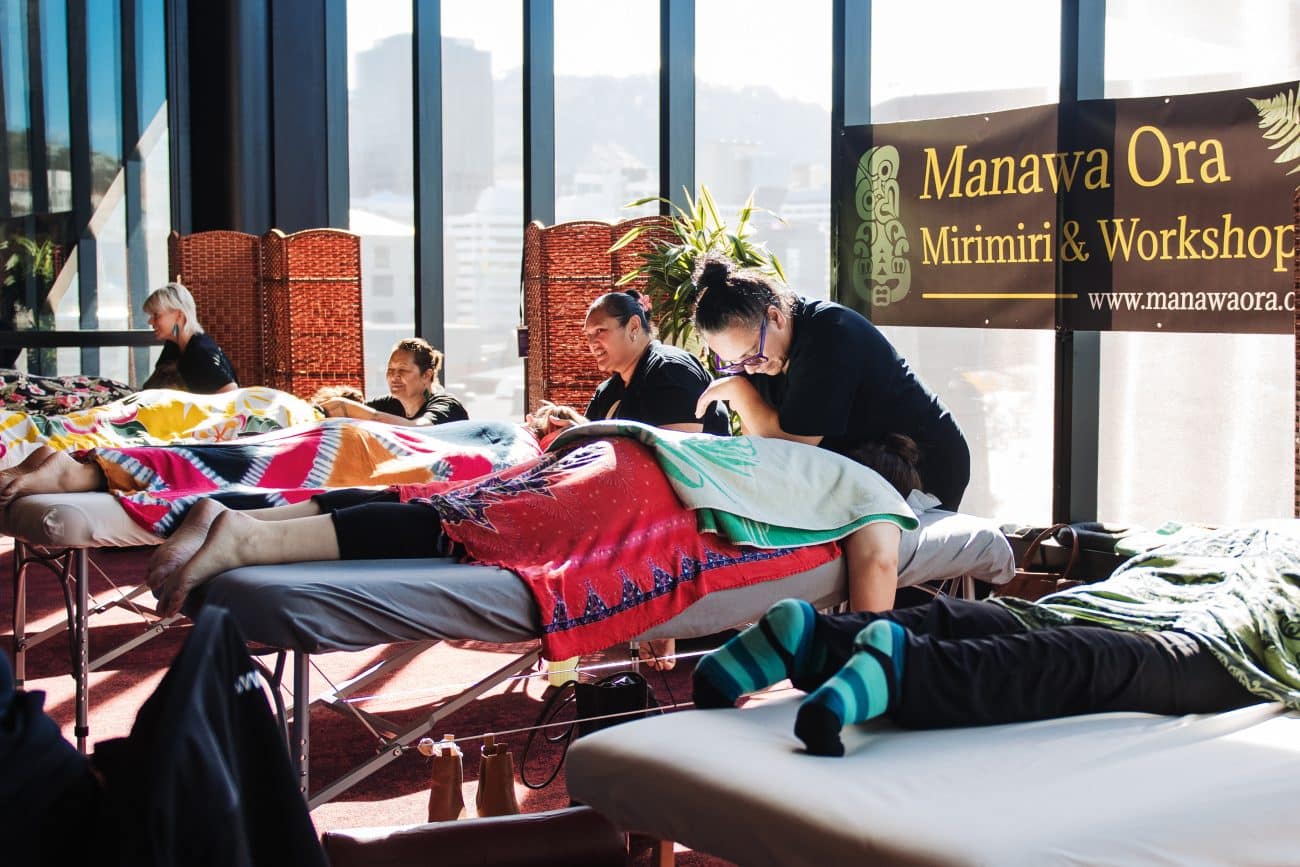
What set this edition of WONCA apart was also the depth to which indigenous knowledge was woven into the programme itself, not as a cultural courtesy but as a substantive intellectual framework. The conference theme, Whānau Ora: Integrating mātauranga Māori indigenous knowledge with rural health for a thriving future, was lived rather than displayed. The event opened with a traditional pōwhiri welcome, closed with a performance from the Pātea Māori Club, and dedicated an entire hub – Ahi Kā – to immersive engagement with Te Ao Māori, from traditional massage and weaving to tā moko (tattoo).
Speakers Dr Diana Kopua and Mark Kopua brought Mahi a Atua, a healing and mental health approach rooted in Māori indigenous knowledge, into the main programme, while Health New Zealand’s Laura Aileone reframed care delivery around whānau (family) and community. A dedicated workshop contributed to the WHO Global Plan of Action on the Health of Indigenous Peoples.
Dr Kumar captured what many delegates took away: “New Zealand definitely brought fresh ideas, indigenous wisdom. I think the biggest learning from this conference would be to unlearn what you have learned and know new things, understand new realities – the world is changing, and you also need to change with the changing times.”
A city that delivers beyond the venue
Tākina delivered a flexible, well-located, and connected venue. Wellington’s broader offer added the elements that delegates remember long after the programme notes are filed. Site visits to the Malaghan Institute of Medical Research and the Gillies McIndoe Research Institute offered genuine scientific value. Tours of Wētā Workshop, Zealandia ecosanctuary, and the Wairarapa wine region gave delegates an experience of New Zealand that went beyond the convention centre. The compact CBD meant morning waterfront walks and climbs up Mount Victoria became networking opportunities.
Immediate Past Chair of the WONCA Working Party on Rural Practice Dr Bruce Chater put it simply: “Wellington’s a great city. It’s walkable. It has wonderful facilities and wonderful restaurants. It has also just got a lovely feel to it – you feel safe, you feel welcomed.”
In an industry where destination credibility is increasingly measured by what a conference produces rather than where it is held, Wellington made a compelling case on both counts.
For information on hosting your next conference in New Zealand, visit businessevents.newzealand.com