
This was also my first visit to Australia in winter. For European organisers, this possibility is important. The programme did not feel diminished by cooler weather; if anything, it made the case for year-round events stronger. Wildlife encounters, gallery visits, geothermal bathing, wine estates, innovation districts and stadium experiences all worked naturally in June. Australia, in that sense, does not need to rely on sunshine to deliver memorable business events.
Melbourne/Narrm: Beyond the Established Venue
Melbourne is already a familiar name for the international meetings community, and the Melbourne Convention and Exhibition Centre remains central to that offer. Its plenary can seat up to 5,500 guests and can be divided into three separate spaces, giving organisers considerable flexibility for large congresses and multi-track formats. Its strength lies not only in capacity, but also in its efforts to help organisers embed more sustainable and accessible practices into event planning, from food choices and waste management to inclusive visitor experiences.

Yet the most interesting aspect of our Melbourne programme was how confidently the city extends beyond its formal event infrastructure. In the Yarra Valley, Healesville Sanctuary offered an ethical wildlife experience that avoided the outdated logic of animal tourism. Koalas were observed in their own domain; they were not treated as objects to be handled.
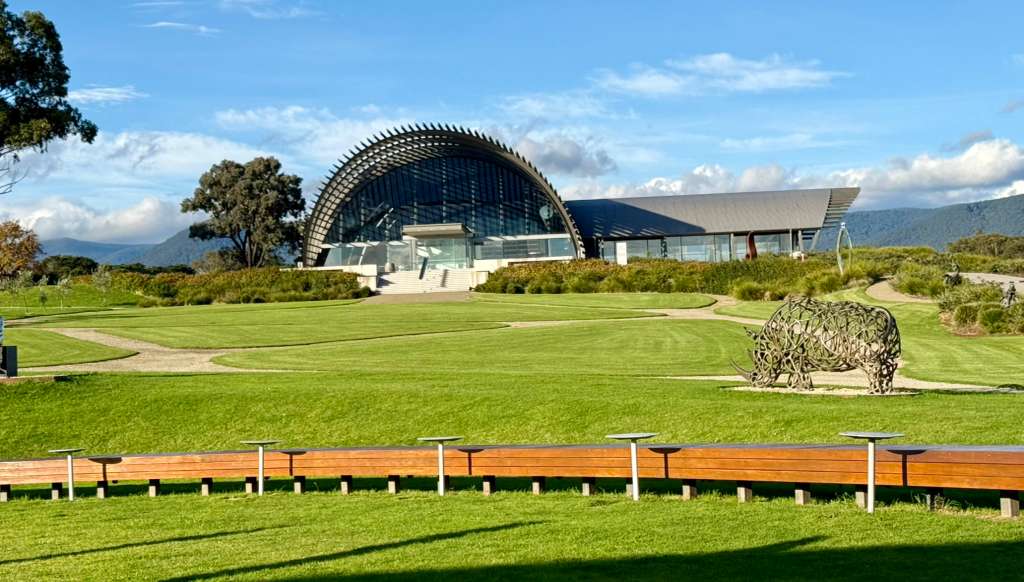
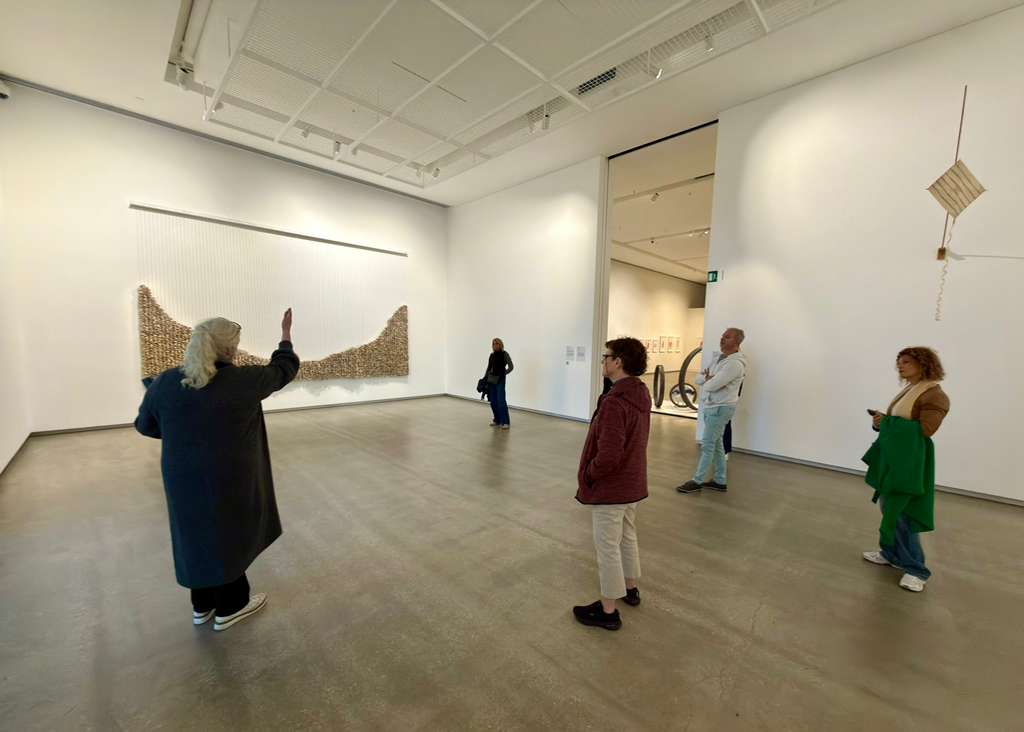
The same day brought together wine, food and culture at Levantine Hill and TarraWarra Museum of Art. Both venues suggested formats for smaller executive meetings and board retreats where conversation is shaped by architecture, landscape and local produce. Levantine Hill delivered exceptional food and wine in a setting that feels appropriate for senior-level hospitality, while TarraWarra’s light-filled galleries and collection created a calmer, more reflective environment for cultural exchange.
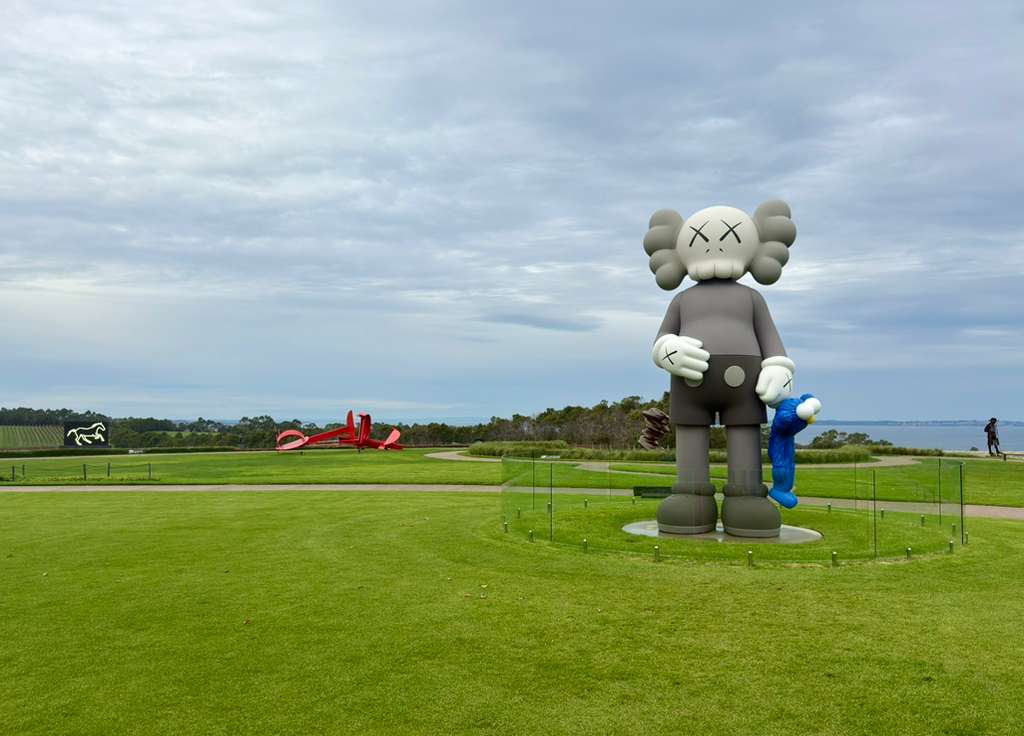
On the Mornington Peninsula, the journey itself became part of the experience, with a helicopter transfer from Melbourne to The Cambium. The property works because nature is at the doorstep, and the setting lends itself to the kind of leadership retreat where participants need space to think differently. Nearby, Pt. Leo Estate added another layer, with sculpture, coastal views and a “sip and sketch” activity that invited delegates to express themselves through art rather than simply observe it.
At Alba Thermal Springs & Spa, the scale of the bathing areas and the winter atmosphere made the experience feel restorative and showed that wellness is just as important. Back in the city, 1 Hotel Melbourne, now fully operational after having been under construction during my previous visit, showed how sustainability can be integrated into the language of luxury. The hotel’s event spaces use nature-led design, seasonal catering and sustainable gathering practices; its riverside Seafarers Event Space can accommodate up to 900 guests.
The Melbourne chapter ended at Melbourne Park, where lunch in one of the newest VIP spaces and a tennis experience underlined the city’s ability to convert major sports infrastructure into corporate hospitality and association networking.
Adelaide/Tarntanya: A City That Works as One
Adelaide was new to me, and it left a different impression. The phrase we heard repeatedly as a working method was ‘Team Adelaide’. The convention bureau, state government, venues, academics, sector leaders and local businesses appeared to share a common objective: make the destination easy for organisers and meaningful for delegates.
That sense of alignment began with our base at Eos by SkyCity, part of a compact riverbank precinct close to many of the city’s major event, cultural and hospitality assets. Adelaide’s walkability is a major advantage.
The knowledge-sector story was particularly strong. At Adelaide BioMed City and the South Australian Health and Medical Research Institute, the visit showed how a congress can plug into a genuine research ecosystem. SAHMRI describes itself as South Australia’s flagship not-for-profit health and medical research institute, with more than 700 researchers, over 800 projects and research themes including Aboriginal Health Equity, Women and Kids, Lifelong Health and Precision Cancer Medicine.
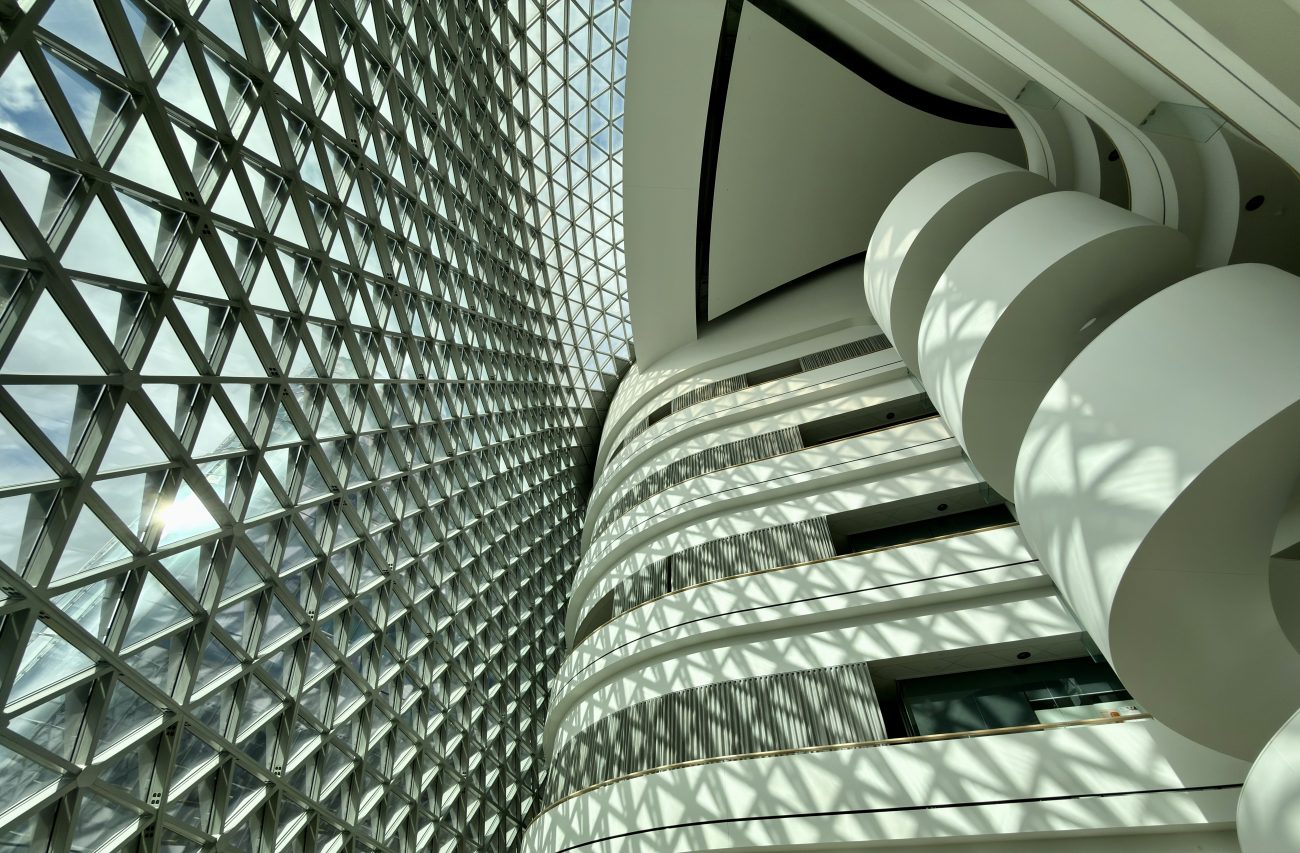
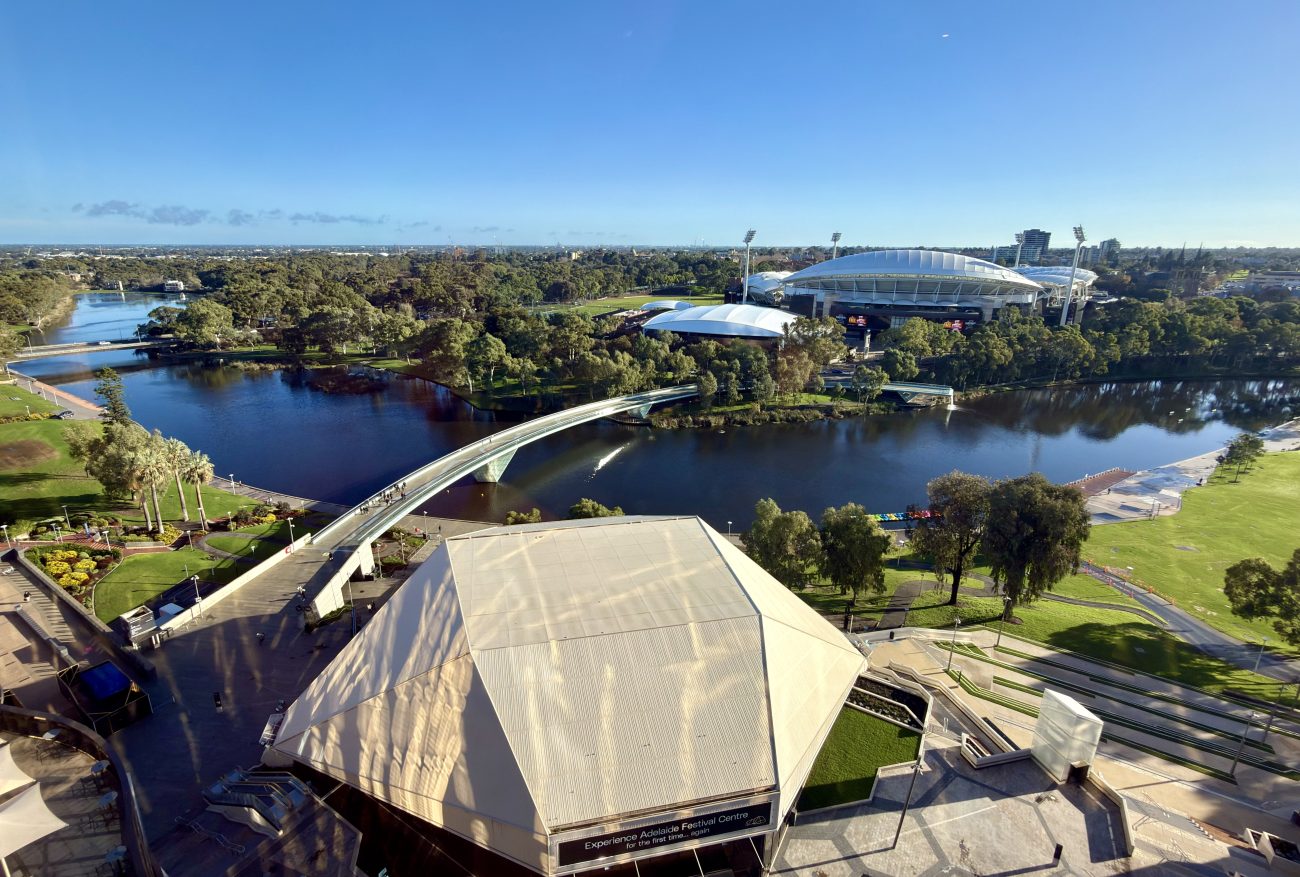
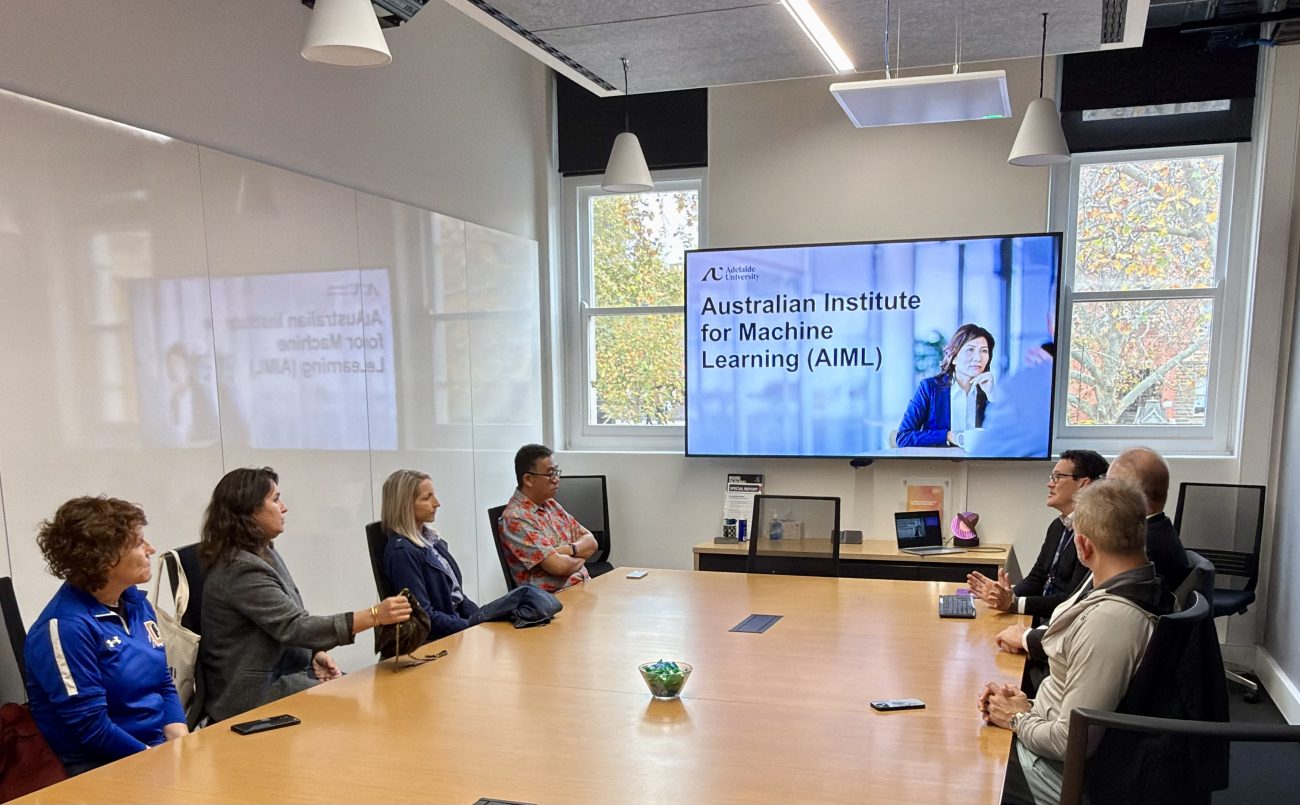
The same applied at Lot Fourteen, AIML and the Australian Space Discovery Centre. Lot Fourteen positions itself as an innovation district focused on complex global challenges, with activity across technology, research and enterprise. The Space Discovery Centre, meanwhile, presents space technologies through galleries, a careers hub and mission-control-style facilities. This is also where Adelaide’s meetings legacy becomes tangible. The city’s hosting of the 2017 International Astronautical Congress is widely associated with momentum around Australia’s national space sector and the later decision to base the Australian Space Agency in Adelaide.
At Tonsley Innovation District, innovation was central. The former manufacturing site is now linked to advanced manufacturing, research, start-ups and industry collaboration. Flinders University’s Factory of the Future is designed to accelerate industry growth through applied, evidence-based solutions, while Line Zero has been described as a national testbed for advanced manufacturing, bringing together industry, government and academia. The people we met there spoke with conviction, not rehearsed destination messaging.
Adelaide’s venue infrastructure supported this wider sector narrative. The Adelaide Convention Centre spans 20,000sqm of flexible event space across three integrated buildings, giving Adelaide a convention product that feels both compact and substantial. Our site inspection and lunch in the centre’s extensive underground kitchen revealed both operational scale and personality. The chef’s welcome made the experience feel generous and direct. The centre has installed Adelaide’s first WasteMaster system to process food and organic waste, and has been recognised for wider environmental initiatives.

The city also knows how to tell its story through memorable venues. Adelaide Oval combines event spaces, sport and hospitality, while Oval Hotel wraps around the stadium’s eastern façade, giving organisers a rare accommodation product integrated with an iconic venue. Its events offer includes 25 function spaces, accommodating groups from three to 3,000 people. Penfolds Magill Estate added heritage and wine culture, with Grange Cottage, original stone cellars and underground spaces that connect delegates to one of Australia’s most recognisable wine stories.
Together, Melbourne and Adelaide made a convincing case for Australia as a year-round business events destination. Melbourne showed how an established events capital can extend a programme through ethical wildlife, wine, art, wellness, sport and sustainable hotel design. Adelaide showed how a smaller capital can compete through collaboration, sector access and a strikingly coherent stakeholder culture.
As Karine Desbant, Group Marketing & Communication Director, Association Market, MCI – who attended the trip with me – said: “Melbourne and Adelaide exceeded every expectation. The quality of the venues, hotels, food, service, and event infrastructure is truly world-class. What impressed me most was the diversity of opportunities on offer from Adelaide’s exceptional medical and academic ecosystem to Melbourne’s dynamic business and cultural scene. Together, they provide an outstanding platform for international meetings and events, combining innovation, expertise, and genuine hospitality.”
For more information on hosting business events in Australia, visit Tourism Australia’s Business Events Australia.