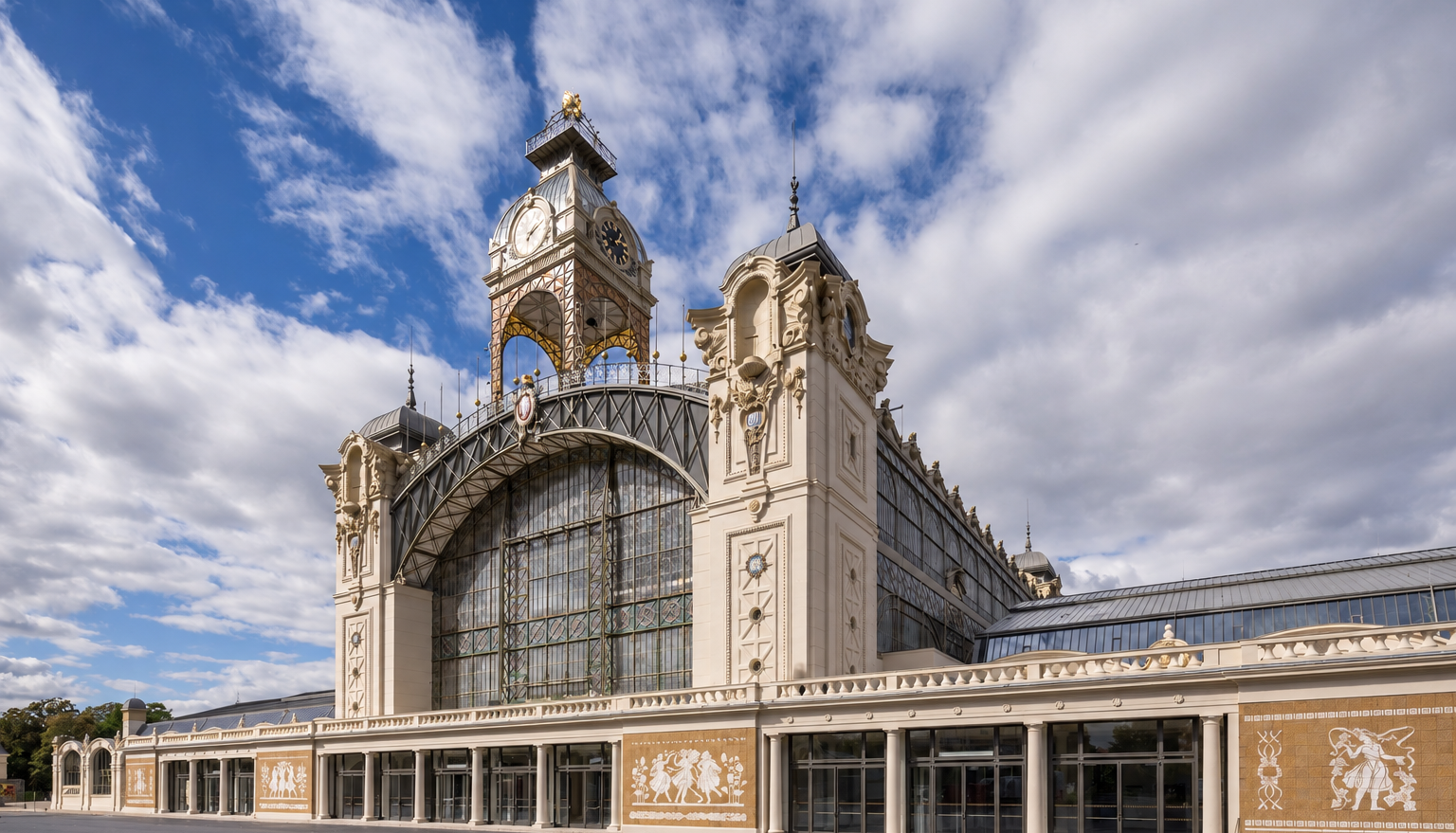
 Industrial Palace, Prague ©Ondra Masek
Some buildings are repaired. Others are given back. When the Industrial Palace reopened in Prague in October, it was very much the second kind.
On 16 October 2008, a fire destroyed the left wing of the palace, the centrepiece of Prague Exhibition Grounds. The central hall and the right wing survived, but the building stayed incomplete for the better part of two decades. This autumn, it stood whole again, and the city celebrated with a gala dinner. The mayor, Bohuslav Svoboda, summed up the mood: “We are giving the city back the Industrial Palace as a whole.”
For those of us who work in business events, the more interesting question is what Prague has gained.
A landmark with a conference brain
The palace was built for the 1891 Jubilee exhibition, as a temporary pavilion that stayed for good. Its steel and glass structure was a feat of engineering in its day, and it remains the visual signature of the grounds. The reconstruction, which began in January 2022 and was reported to cost around CZK 3 billion, restored the original structure of the central hall and rebuilt the left wing in steel, following the proportions of the historic right wing so that the two sides read as one building.
What matters for organisers is what sits behind the facade. The palace now offers 11,000 square metres of covered space. A 1,000 square metre foyer leads into a central hall of 1,800 square metres and two wings of 3,700 and 4,500 square metres. The larger left wing can seat up to 3,600 in theatre style, or 2,000 for a gala dinner. The right wing seats up to 3,350 in theatre style, and the central hall 1,750. A hall for thousands changes the conversation about what Prague can host. (See box below for the full figures.)
| Space | Area | Gala | Theatre |
| Foyer | 1,000 m² | n/a | n/a |
| Right Wing | 3,700 m² | 1,500 | 3,350 |
| Central Hall | 1,800 m² | 700 | 1,750 |
| Left Wing | 4,500 m² | 2,000 | 3,600 |
| Total covered area | 11,000 m² |
The Industrial Palace in numbers
A city already on the map
The palace does not arrive in a vacuum. Prague counted 5,166 meetings and 850,157 participants in 2025, and ranked 6th in the world in the ICCA city ranking, with 133 international association meetings. Its hotel stock runs to almost 44,000 rooms, at what the city describes as reasonable prices. Time Out ranked its public transport the second best in the world in 2023, and most conference venues can be reached by public transport.
Behind the numbers sits a clear strategy. The city and its convention bureau treat meetings as a strategic sector, one that sits at the crossing of tourism and science, research and innovation. The stated benefits go well beyond hotel nights: higher spending and jobs, support for international scientific cooperation, a stronger profile for Prague as a knowledge destination, more demand in the off-season, and less pressure on the city.
The argument is a familiar one to anyone who follows the impact-led thinking now shaping association bids. The new element is the insistence that the city itself must be an active partner in shaping high-quality events, and that this means long-term investment in major venues. The palace is the most visible proof of that intent.
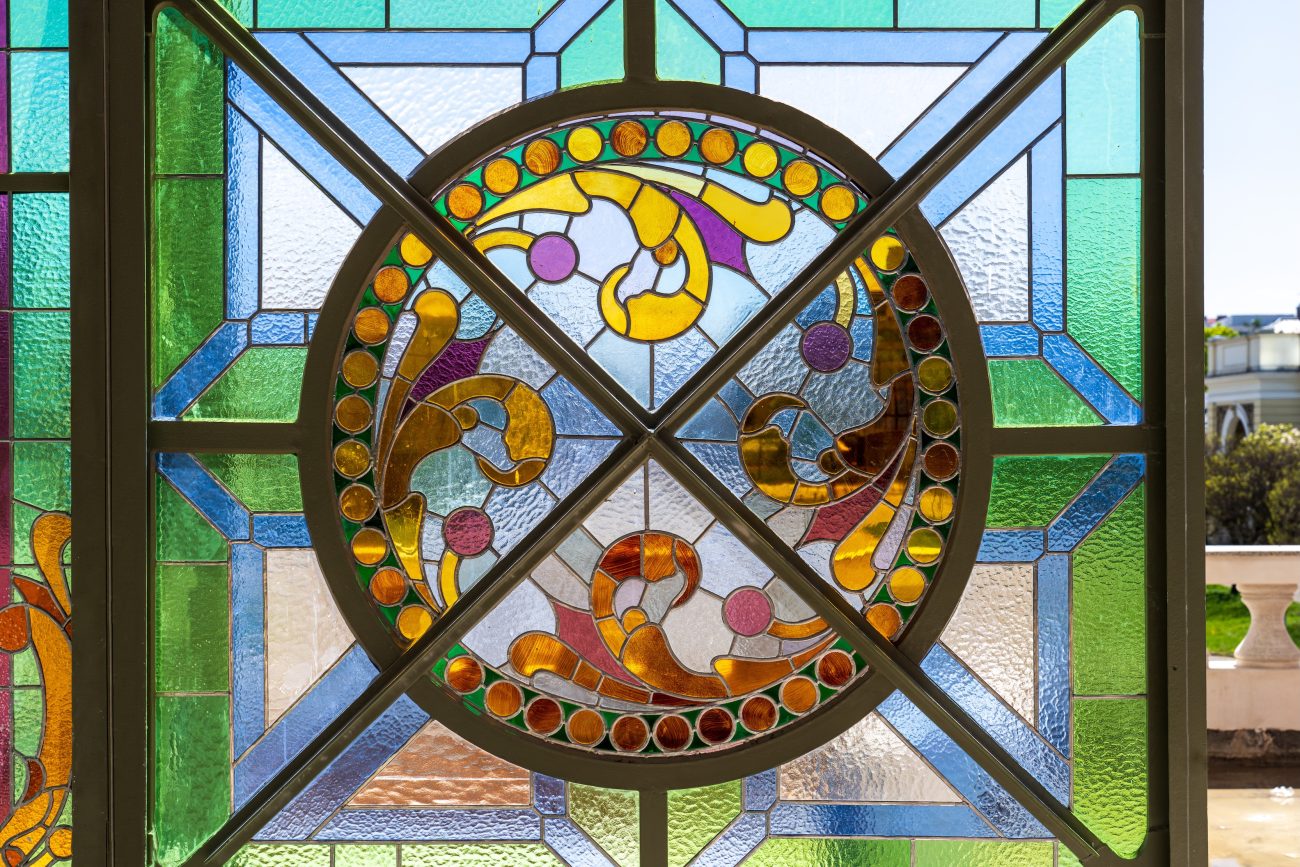
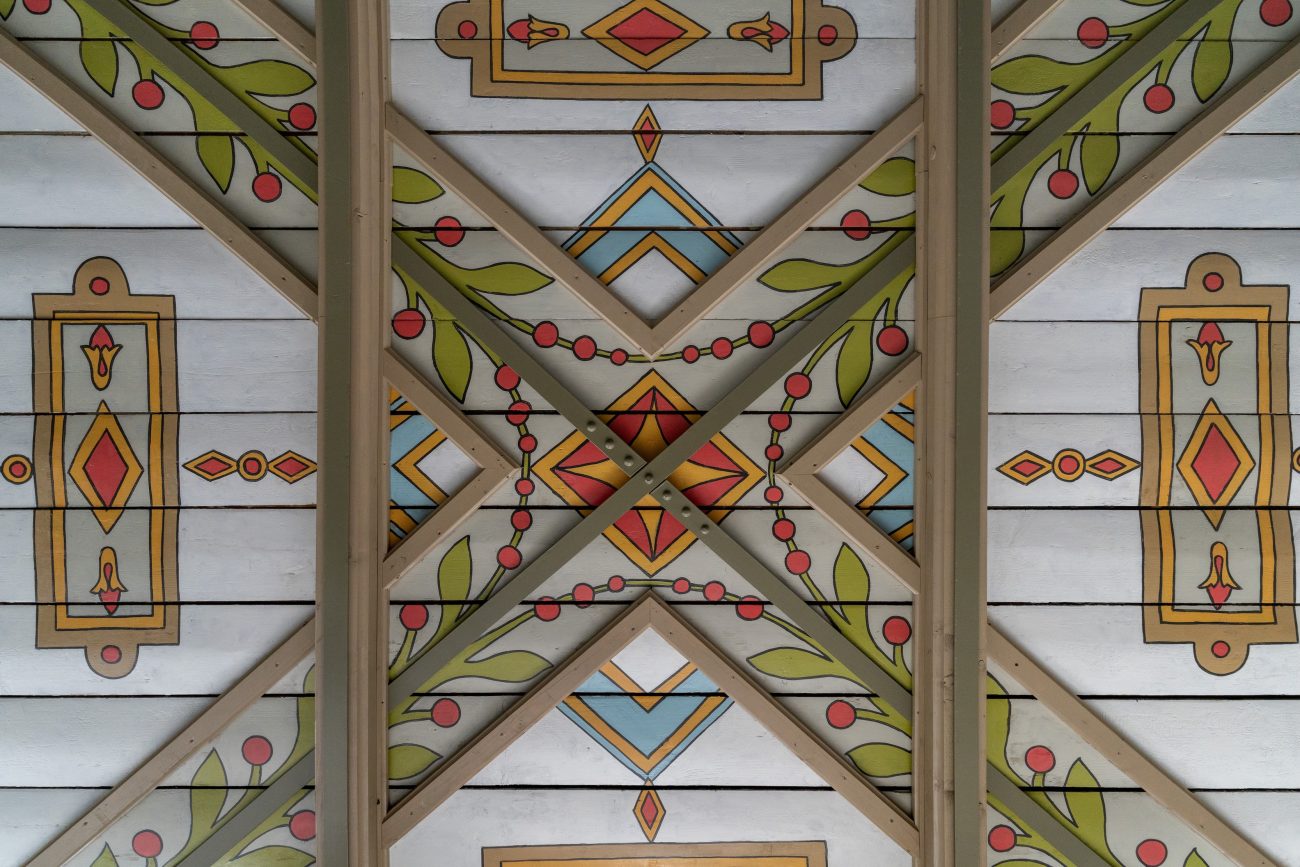
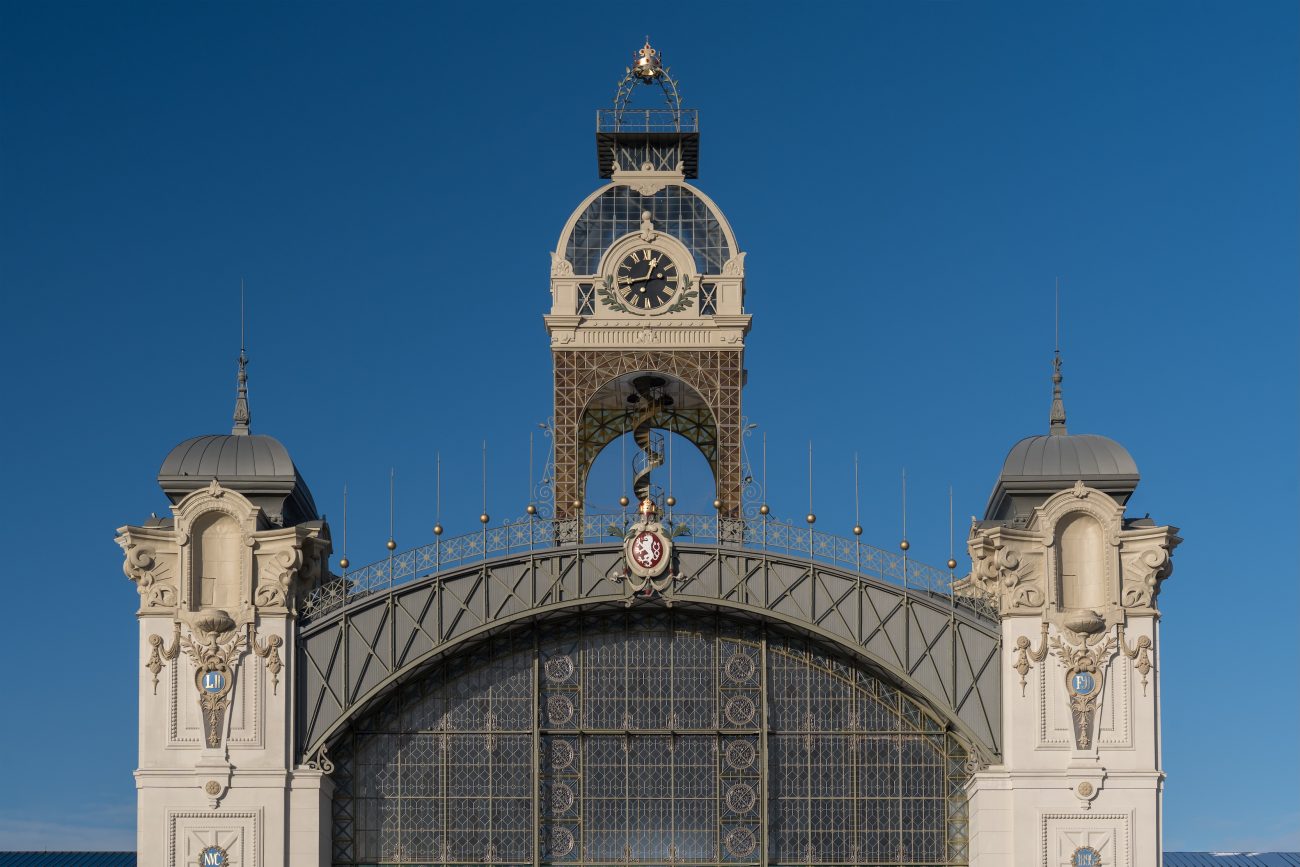
©Jiri Sebek
A site, not a single building
It would be a mistake to see the palace alone. It stands within an exhibition ground that welcomes almost three million visitors a year, next to Stromovka Park. Around it are the large Křižík Pavilions, refurbished in 2022 and topped by wooden roof terraces covering 7,590 square metres, a former theatre known as the New Spiral with a circular stage, and a huge open-air space, 34,000 square metres of it, for up to 20,000 people. Add bistros, meadows, a swimming pool and a skate plaza, and the grounds can host the serious side of a congress and its social programme without leaving the site.
That variety is the real selling point for associations. A plenary in the palace, parallel sessions in the pavilions, a reception on the terraces: it is a campus as much as a venue.
Design as the first client
Fittingly, the first major event in the restored hall was not a congress but a design festival. Designblok, Prague’s international design week, opened in the palace this autumn, and its conference, Designblok Talks, ran for the first time over two days with more than 40 Czech and international speakers around the theme of light. It is a smart choice for a building whose character comes from glass and steel, and a practical way to show planners how the space handles a real programme.
Two hotels give a sense of the accommodation on offer. The Hilton Prague Old Town, in the historic centre, plays on the Art Deco style of the city at the start of the 20th century. Mama Shelter Prague, in the Holešovice district, is a 4-star lifestyle hotel with 238 rooms, in the former Park Hotel of 1967, opened as Mama Shelter in 2018 and run by Accor’s lifestyle arm, Ennismore. One is classic and central, the other younger and in a district that is changing fast. Between them, they show the range a planner can offer delegates.
What comes next
What does all this add up to? A city that has been quietly building a case now has the hardware to match. The palace gives Prague very large, historic and flexible space. The numbers show a destination that is anything but an outsider. And the grounds provide what delegates now ask for, a place to meet, eat and unwind in one spot.
For Roman Muška, director of the Prague Convention Bureau, the logic is a competitive one. “The ability of cities to actively acquire major international events plays an increasingly important role,” he said. “With the palace, Prague can now welcome larger events and bigger exhibitions. And a second project is on its way: the new exhibition hall at Prague Congress Centre, now under construction, with handover planned for September 2028.” This will add 5,000 square metres of exhibition space and bring the centre’s total to 21,000.
Together, the two projects should make a city that already ranks sixth in the world for association meetings an even bigger player. The palace is open. The calendar is the next thing to fill.
Rémi Dévé travelled to Prague at the invitation of the organisers. Services during the trip were provided by Prague Convention Bureau, Prague Exhibition Grounds, Prague City Tourism (Prague Visitor Pass and the Industrial Palace visit), ADO Prague (airport transfers), Hilton Prague Old Town, Mama Shelter Prague, Kolkovna Brewery and Designblok.