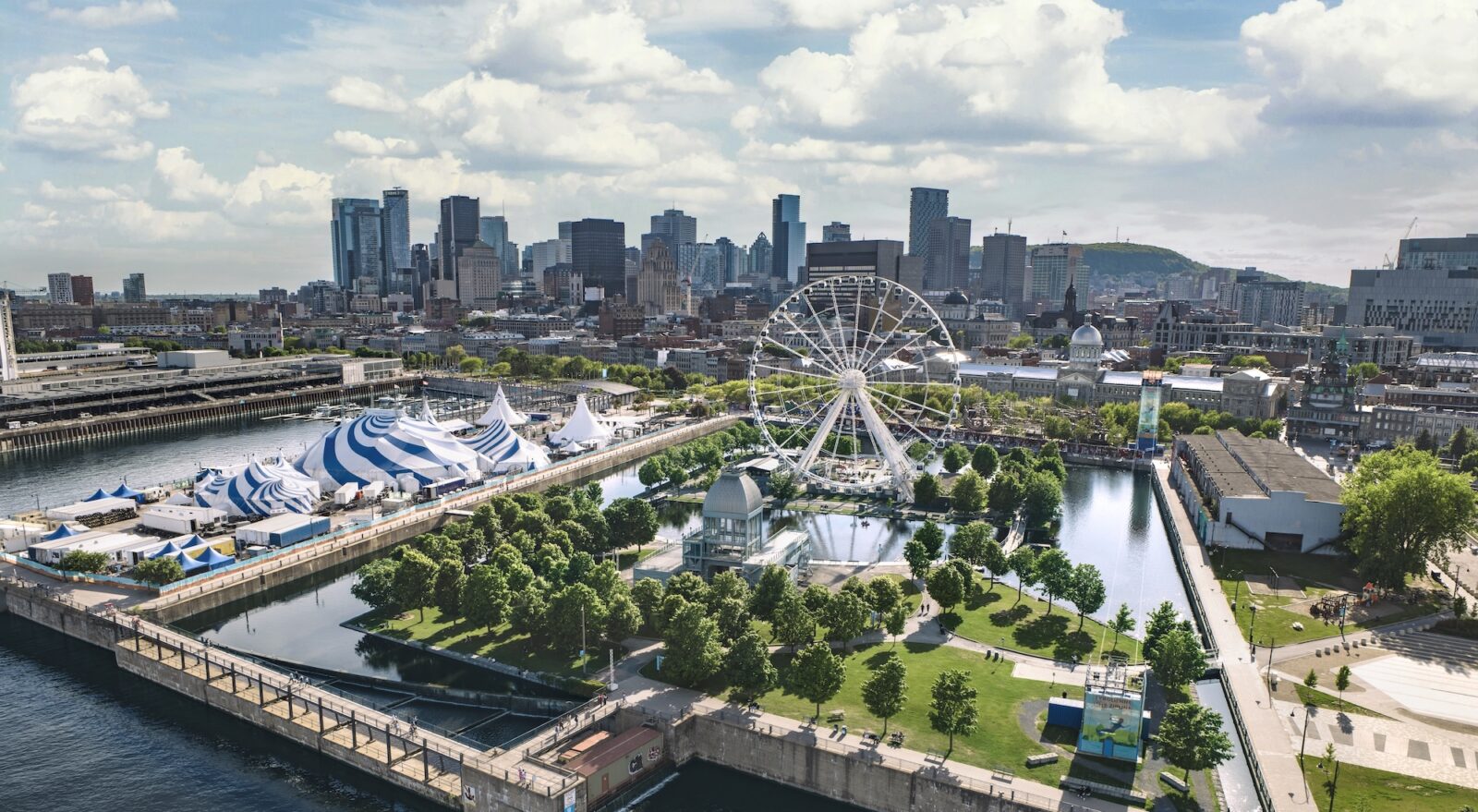
 © Leo Films – Tourisme Montréal
 Situated at the crossroads of Europe and North America, the Québec metropolis has long cultivated a dual identity. It combines the research intensity and infrastructure typical of major North American cities with a cultural and intellectual environment often described as distinctly European.
Canadian Prime Minister, former Governor of the Bank of Canada and Governor of the Bank of England, once characterised Canada as “the most European of non-European countries,” a description that many observers believe applies most clearly to Montréal itself.
For associations whose missions depend on international collaboration, such positioning matters. Scientific communities thrive on the free exchange of ideas, mobility of researchers, and openness to diverse perspectives, i.e. conditions that cities must actively support if they wish to host major global gatherings.
A Dense Ecosystem of Knowledge
Montréal’s standing as a scientific hub is rooted in its dense concentration of universities, laboratories, and research institutes. The metropolitan area hosts several globally recognised institutions and maintains one of the highest concentrations of students in North America.
The city also ranks first in Canada for university research funding, reflecting sustained investment from provincial and federal governments as well as strong links between academia and industry. This environment has encouraged cross-disciplinary approaches that bring together sectors such as artificial intelligence, life sciences, aerospace, and environmental research.
Montréal at a glance
#1 in Canada for university research funding
Nearly 70 international organisations headquartered in the city
6 United Nations offices
North America’s top destination for international association meetings for 9 consecutive years (ICCA)
120+ ethnocultural communities represented
Home to two major convention venues: Palais des congrès de Montréal and Centre Mont-Royal
Home to McGill University, ranking among North America’s top 15 best universities
Such density creates fertile ground for international conferences, and associations seeking venues for knowledge exchange often benefit from it. Montréal’s research ecosystem provides exactly a type of environment that enables events closely connected to the scientific communities they serve.
Over the past decade and a half, initiatives promoting open science and international research partnerships have played a role in raising Québec’s global profile. Among them are efforts led by the province’s Office of the Chief Scientist, Rémi Quirion, which has sought to strengthen scientific culture while building connections between researchers worldwide.
”Montréal stands out for its mix of academic excellence, cultural diversity, and international openness,” says Mylène Gagnon, Vice President of Sales, Convention services and Members, Tourisme Montréal. ”The city offers the right environment, expertise, and spirit to bring people and ideas together from around the world.”
It comes as no surprise Montréal keeps attracting large-scale academic meetings. One example is the successful bid for the International Society for Children’s Bone Health (ISCBH), scheduled for June 2026, an event that will bring leading researchers from across the world to the city.
A Meeting Point for International Organisations
Beyond its research institutions, Montréal hosts a significant number of international organisations. Nearly 70 international organisations, including six United Nations offices, have established a presence in the city. This places Montréal third in the Americas for the number of international organisations headquartered there.
For association leaders, such a concentration reflects a city accustomed to international governance, diplomacy, and multilateral dialogue. It also signals familiarity with the operational realities of international organisations, from multilingual environments to complex event logistics.
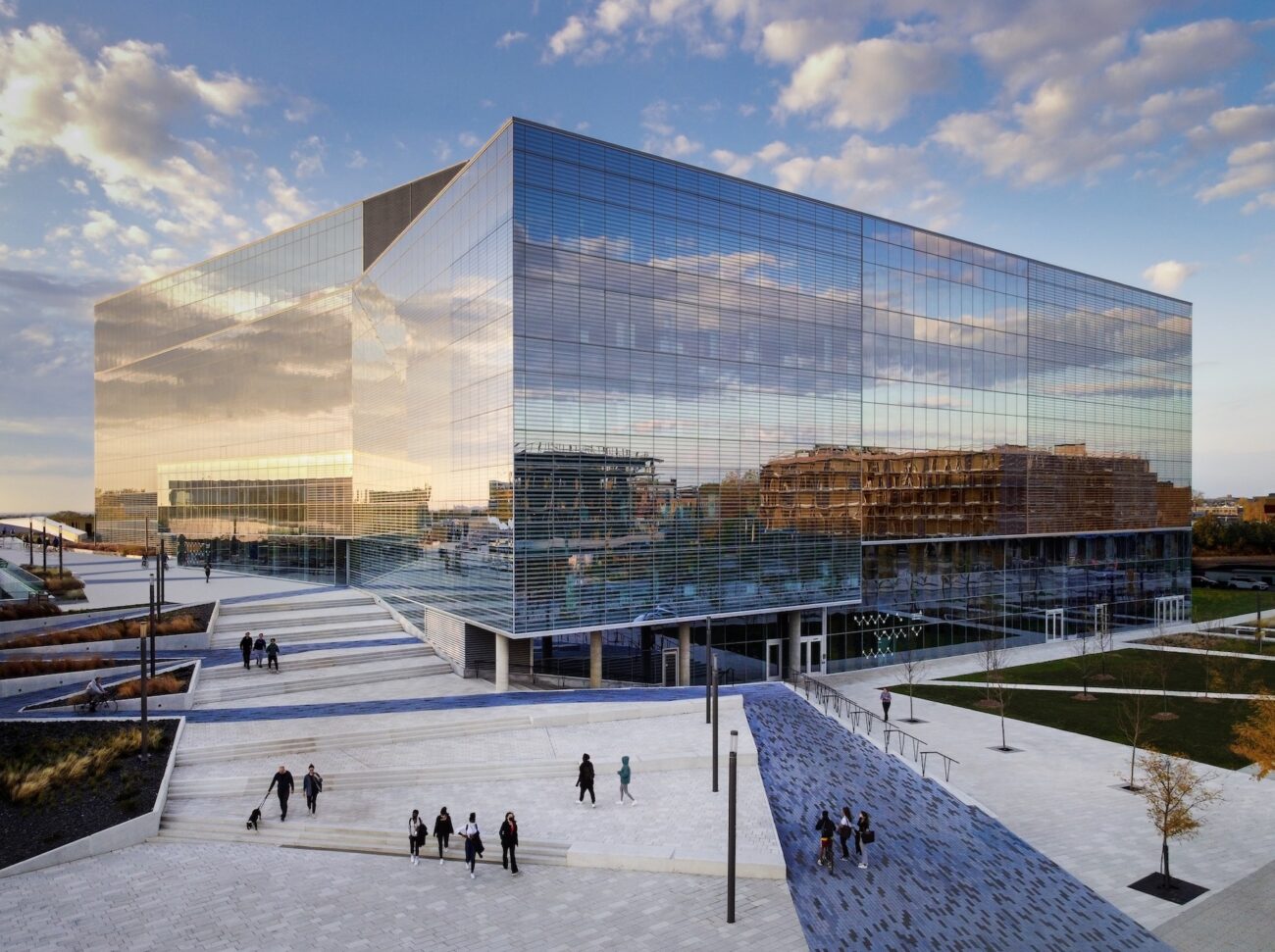
The presence of two major convention facilities, the BOMA BEST certified Palais des congrès de Montréal and Centre Mont-Royal, further strengthens the city’s hosting capacity. Both venues are embedded within Montréal’s compact downtown core, allowing delegates to move easily between conference sessions, hotels, restaurants, and cultural venues.
Diversity as an Everyday Reality
Equally central to Montréal’s identity is its social and cultural diversity. More than 120 ethnocultural communities are represented in the metropolitan area, and 59% of residents are either immigrants or the children of immigrants. This diversity is reflected linguistically as well: more than 80 languages are spoken across the city.
For international delegates, this multicultural environment often translates into a sense of familiarity. Visitors arriving from Europe, Asia, Africa, or Latin America encounter a city where global cultures are visible in daily life, from neighbourhoods and restaurants to festivals and research communities.
At the same time, Montréal’s bilingual character provides a practical bridge between continents. English and French serve as official languages, allowing the city to operate comfortably within both North American and European professional networks.
Safety also plays a role in shaping the delegate experience. Montréal regularly appears among the top ten safest cities in the world for travellers, according to Berkshire Hathaway Travel Protection, contributing to its reputation as a welcoming destination for large international gatherings.
A City Designed for Exchange
While infrastructure and research capacity are important, the broader urban environment also influences the success of international meetings. Montréal’s dense urban core, accessible public transport, and vibrant cultural scene contribute to what many organisers describe as a “walkable congress experience.”
Delegates often move seamlessly from academic sessions to informal networking in cafés, cultural venues, or public spaces. This blending of professional exchange and social interaction has long been considered one of the city’s defining strengths.
For international associations, particularly those whose missions rely on collaboration across borders, the symbolic dimension of place can be as significant as logistics. Montréal positions itself as a city where dialogue, diversity, and intellectual exchange remain central values.
To learn more about hosting your next event in Montréal, visit meetings.mtl.org or contact Alain Carbonneau, Manager, International Market, Business Events Montréal (Tourisme Montréal) at [email protected]