Helsinki and Barcelona are two compelling examples of this idea in action. Both cities have invested in smart infrastructure, yet neither location positions its smart city strategy as something created specifically for the meetings industry. Instead, they focus on improving how the city functions as a whole: creating urban environments where association events benefit from efficiency, reliability, and long-term sustainability.
Helsinki: Smart Where It Matters, Honest About What’s Used
Helsinki’s smart city plan is based on practicality. Rather than promoting technology as a highlight for international events, the city focuses on building useful systems that support everyday life as well as business events.
One of the most-discussed elements of Helsinki’s smart city ecosystem is its “digital twin” — a sophisticated virtual model of the city. This tool often captures attention, but its main role today is within municipal planning rather than on event delivery.
Helsinki makes datasets available to help stakeholders understand accommodation trends, visitor volumes, and what else is happening in the city at any given time. According to Karoliina Ala‑Opas, Head of the Helsinki Convention Bureau/Helsinki Partners, “The open tourism and event data is mainly used by local suppliers and the tourism network. But organisers may use it too, for example to understand how room rates are developing or what else is happening in the city during their event dates.”
While the city does not track how many international congress organisers rely on this data, its availability reflects a broader culture of transparency and trust, qualities that resonate strongly with many associations.
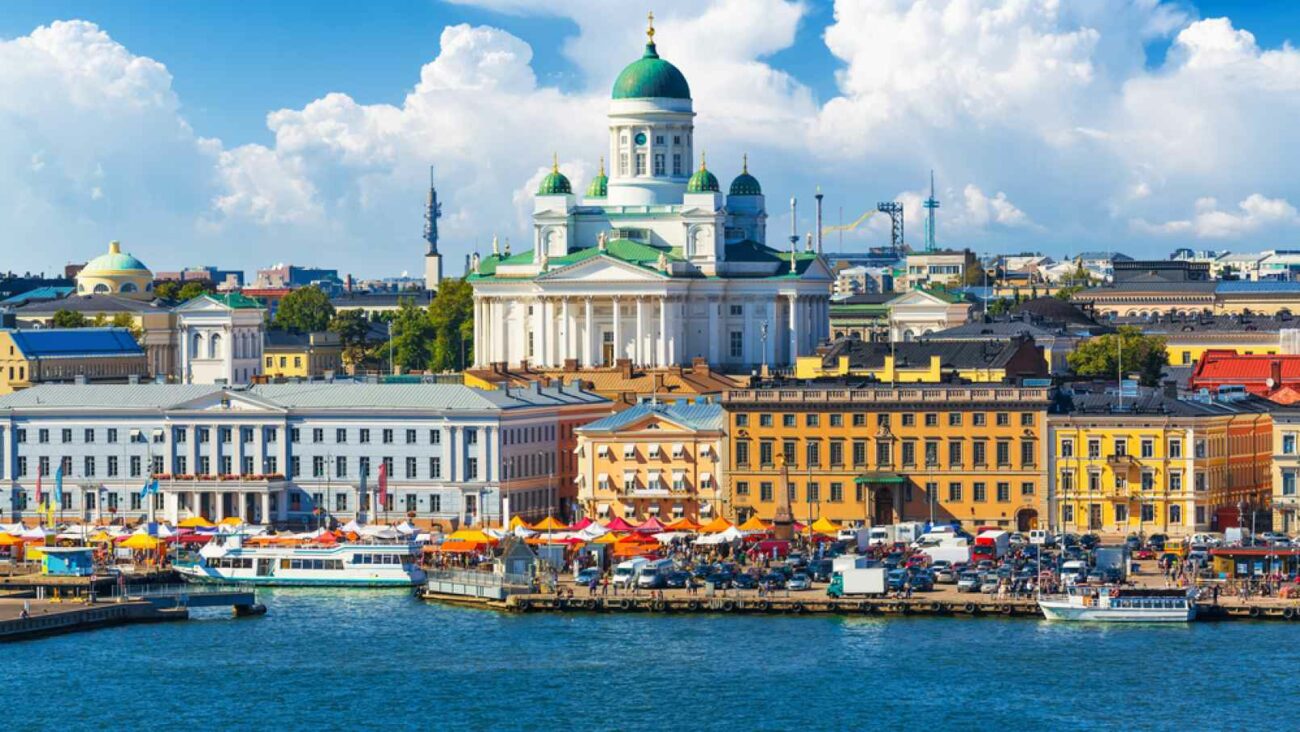
For event organisers, however, one of the most important smart services is also one of the simplest. “For many organisers, the Linked Events service is the most important,” says Ala‑Opas, “because that’s the way to get the event published through the city’s channels.” Visibility, integration, and alignment with the destination’s communications ecosystem are critical components of delegate engagement.
One area where Helsinki consistently delivers clear value is mobility, and delegates notice the ease of moving around the city. “Helsinki is extremely easy to navigate thanks to our excellent public transportation system, HSL,” Ala‑Opas says. “The HSL app shows all public transportation options, as well as walking and biking routes.”
In annual delegate surveys, the quality and ease of public transportation are consistently mentioned as key standout strengths. For associations, this means fewer logistical challenges, keeping the schedule on track, and a more relaxed delegate experience, all of which are often more impactful than any cutting-edgetechnology.
Barcelona: City‑First Intelligence, Association‑Ready Benefits
Barcelona’s smart city strategy is also grounded in a city‑first philosophy. Rather than designing systems specifically for the meetings industry, the city has focused on improving overall urban performance, sustainability, and quality of life for residents.
“Our perspective is that Barcelona’s smart city strategy is primarily designed to improve the city’s overall functioning, sustainability, and quality of life for its residents,” says Christoph Tessmar, Director of the Barcelona Convention Bureau. “The impact of these initiatives is not aimed specifically at the meetings industry, but forms part of a broader city‑wide framework.”
For associations, this approach delivers value for delegates because of its comprehensiveness. Smart infrastructure — including data platforms, digital public services, and integrated mobility systems — supports the city as a whole, and international meetings benefit as part of that ecosystem.
“This global urban approach naturally and positively extends to international association events,” Tessmar adds. “Delegates and organisers benefit from the city’s efficiency, digital infrastructure, accessibility, and innovation ecosystem during their stay.”
Barcelona has invested significantly in smart tourism technologies and city‑wide data infrastructure, integrating data and digital services to improve urban management and sustainability. While these systems often operate behind the scenes, their impact is felt in the city’s ability to manage scale, visitor flows, and complex logistics.
“At destination level, the city’s data‑driven approach supports continuous improvement in areas such as mobility, visitor flows, and sustainability,” says Tessmar. “This allows Barcelona to respond efficiently to the operational demands of large international meetings, while maintaining high standards of resilience and liveability.”

Beyond infrastructure, Barcelona’s innovation districts, especially 22@, offer associations a more experiential dimension of the city’s smart transformation. These districts bring together universities, research centres, start‑ups, and global companies within a single ecosystem.
“Innovation districts like 22@ reflect Barcelona’s transformation into a knowledge‑based economy,” Tessmar explains. “They allow associations to align their events with themes such as digital transformation, sustainability, health innovation, or new economic models.”
For associations, this creates opportunities to extend conferences beyond the venue, via site visits, engagement with local experts, speaker programmes, and collaboration with the city’s innovation community. Meetings become gateways to real-world application, not just platforms for discussion.
Smart Cities as Quiet Partners
What Helsinki and Barcelona demonstrate is that smart cities do not need to be loud. Their greatest contribution to association meetings lies in creating environments that are predictable, accessible, sustainable, and human-centred.
For associations navigating increasing complexity—higher expectations, tighter margins, and greater responsibility—smart cities are not just hosts. They are quiet partners, enabling meetings to deliver more value with less friction, and ensuring that when people come together, the city works with them, not around them.