That kind of connection is precisely what Australia is increasingly offering international associations: not simply a place to meet, but a place where conferences intersect with real research ecosystems and industry expertise.
Across the country, from Sydney and Melbourne to Brisbane, Gold Coast, Cairns, Adelaide, Perth, Canberra, Darwin and Hobart, convention bureaux, universities and industry leaders are working together to ensure congresses do more than fill auditoriums. They become platforms for collaboration, discovery and long-term partnerships.
Robin Mack, Managing Director of Tourism Australia said: “In Australia, we view business events not only as a crucial tourism segment, but as a strategic pillar of Australia’s knowledge economy. Securing global congresses linked to our key industry sectors is about more than just a short-term economic boost; it’s a strategic investment. These events bring the world’s best minds to our shores, acting as a catalyst for new research, partnerships, and long-term innovation and change in Australia.”
Australia’s innovation story has long extended far beyond its landscapes and pristine beaches. Over the past decades, discoveries emerging from Australian laboratories – from the cervical cancer vaccine and ultrasound imaging to the bionic ear and high-speed Wi-Fi – have transformed lives around the world.
That same problem-solving mindset now shapes the country’s approach to business events.
International associations meeting in Australia often gain direct access to the researchers, policymakers and industry pioneers driving innovation in their fields. These connections are frequently facilitated by the country’s convention bureaux, which see conferences not simply as gatherings of delegates but as catalysts for knowledge exchange.
Behind this approach lies a deliberate national strategy: aligning business events with Australia’s most dynamic knowledge sectors.
Today, six priority industries form the backbone of this effort: health; resources and energy; defence and space; agribusiness and food; technology and manufacturing; and infrastructure. Each combines strong research capability, industry leadership and public investment, creating fertile ground for conferences seeking both intellectual depth and real-world impact.
Where Research Meets Industry
Across these sectors, Australia’s innovation ecosystem is producing breakthroughs that resonate far beyond the country’s borders.
In defence and space, South Australia has rapidly emerged as a national hub. With the Australian Space Agency headquartered in Adelaide, companies such as Fleet Space Technologies are developing satellite-based exploration tools capable of transforming how minerals and natural resources are discovered.
In agribusiness and food, innovation often centres on sustainability and resilience. Process engineer Sachini De Silva, for example, has helped develop an off-grid water treatment system capable of delivering clean water in remote environments, an innovation with potential applications ranging from agriculture to disaster response.
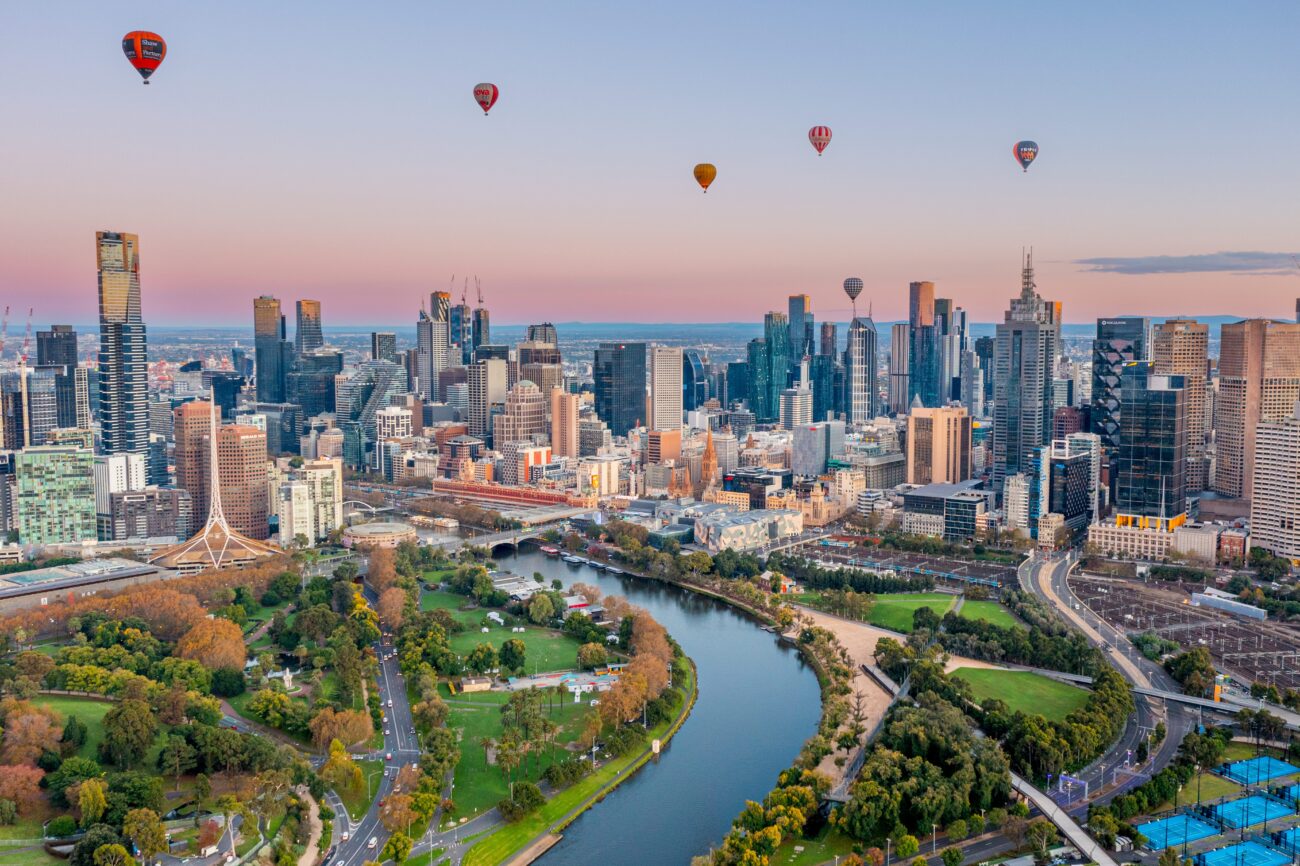
Meanwhile, Australia’s health sector continues to generate globally recognised breakthroughs. Melbourne’s Peter Doherty Institute for Infection and Immunity demonstrated this during the COVID-19 pandemic, when its scientists were among the first outside China to successfully map the virus genome, an achievement that helped accelerate global research efforts.
Australia’s resources and energy sector, historically a cornerstone of the national economy, is also undergoing a profound transformation. In Western Australia, the Asian Renewable Energy Hub, one of the largest renewable energy projects ever proposed, is designed to produce green hydrogen at scale for export across Asia.
In technology and advanced manufacturing, the country is gaining recognition for its work in frontier technologies such as quantum computing. Sydney-based Silicon Quantum Computing, led by Professor Michelle Simmons, is pioneering efforts to build quantum computers at the atomic scale.
And across Australia’s cities, major investments in infrastructure are reshaping the built environment. Projects such as Melbourne’s Metro Tunnel and Sydney’s Western Sydney International Airport illustrate how large-scale engineering initiatives are transforming connectivity and urban mobility.
Cities That Reflect Sector Strengths
Australia’s strength as a meetings destination also lies in the diversity of its cities, each anchored in distinctive research clusters and industry ecosystems.
Melbourne, widely recognised as a global hub for biomedical research, continues to attract major medical gatherings such as the International Diabetes Federation Western Pacific Region Congress, bringing specialists together to explore advances in diabetes research and care.
In Brisbane, where a rapidly expanding health and biotechnology ecosystem is supported by institutions such as the Translational Research Institute and QIMR Berghofer Medical Research Institute, the city will host, among many other conferences, the World Congress of Paediatric Gastroenterology, Hepatology and Nutrition (WCPGHAN) 2028.
Further west, Perth regularly convenes experts in energy and environmental research, hosting meetings such as the International Conference on Greenhouse Gas Control Technologies, reflecting the region’s expertise in resources and sustainability.
In Sydney, meanwhile, the 16th World Congress on Endometriosis 2025 brought more than 1,100 clinicians and researchers from over 60 countries to the International Convention Centre (ICC) Sydney, highlighting Australia’s leadership in women’s health research.
And in Cairns, surrounded by the Great Barrier Reef and tropical rainforest ecosystems, scientific meetings often take on an additional dimension. The Viruses of Microbes 2024 congress, hosted at the Cairns Convention Centre, brought together researchers exploring the crucial role viruses play in ecosystems and planetary health.
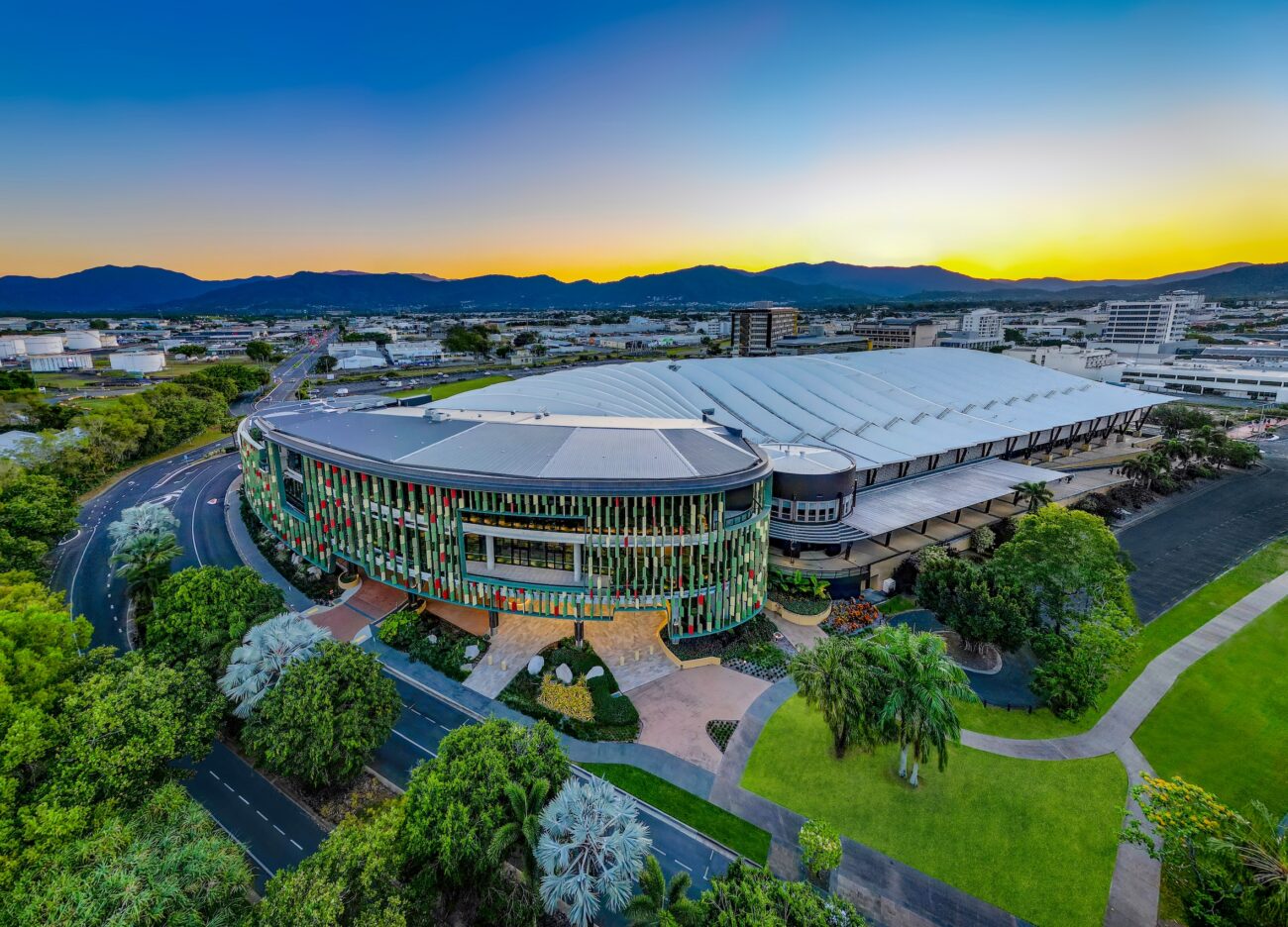
Together, these destinations illustrate the breadth of Australia’s business events landscape: major metropolitan hubs complemented by specialised regional centres, each anchored in thriving knowledge communities.
Connecting Associations with Expertise
One of the engines behind Australia’s success in attracting association congresses is also its extensive ambassador networks.
Across the country, convention bureaux work with leading academics, scientists and industry figures who actively support international bids and contribute intellectual leadership to events.
In Sydney, the Global Ambassador Program run by Business Events Sydney mobilises prominent figures across sectors to champion international congress bids. Melbourne’s Victorian Ambassador Network performs a similar role, connecting global associations with respected leaders in science, medicine and industry.
Supporting Global Conferences: Australia’s Bid Fund Program
Australia’s commitment to attracting international association meetings is backed by targeted financial support through the Business Events Bid Fund Program (BFP).
Introduced in 2018, the program provides funding to help secure international conferences and exhibitions aligned with Australia’s six priority industry sectors. The initiative supports events that attract a minimum of 400 international delegates, helping offset costs such as accommodation, venue hire and transport.
The program has already proven highly effective. To date, 211 events have been secured for delivery through to 2029, representing an estimated A$1.43 billion in economic value for Australia.
For associations, these programmes provide far more than advocacy. They ensure conferences are embedded within local research communities, opening doors to laboratories, innovation hubs and industry partners.
“One of Australia’s greatest assets is our people,” notes Mack. “Our world-leading experts are passionate about sharing their knowledge. And when these ambassadors engage with international associations, they link global missions with local breakthroughs, and foster collaborations that could define the future of the sector.”
Infrastructure Built for Global Events
Australia’s ability to host large-scale congresses is underpinned by a network of modern convention centres widely recognised for their service quality and sustainability standards.
But the landscape continues to evolve.
In regional Victoria, the Nyaal Banyul Geelong Convention and Event Centre, set to open in July, will introduce new conference capacity just outside Melbourne.
Meanwhile, a wave of high-end hospitality developments is strengthening accommodation options for international delegates. On the Gold Coast, luxury properties including the Andaz, Ritz-Carlton and St. Regis, all close to the Gold Coast Convention and Exhibition Centre, are enhancing the destination’s appeal for global events.

In Adelaide, hotels such as The Westin Adelaide and the soon-to-open Crystalbrook Sam are adding further capacity within walking distance of the Adelaide Convention Centre.
Altogether, Australia is undergoing a significant premium transformation. Nearly 6,000 new hotel rooms are expected to enter the market over the next two years, around 60% of them under luxury brands, including the upcoming Waldorf Astoria on Sydney Harbour.
A Platform for Collaboration
For association leaders evaluating future congress destinations, Australia’s appeal increasingly lies in its potential for impact.
Here, conferences are often designed to connect delegates not only with each other but with the wider research and innovation ecosystem surrounding them.
From global space gatherings in Sydney to environmental science meetings in Cairns and medical congresses in Melbourne or Brisbane, the country’s destinations demonstrate how location can amplify the purpose of an association event.
More information: businessevents.australia.com