 Antwerp’s Central Station
Held from 12 to 16 July 2026 at A Room with a ZOO, ECC10 brought together established researchers, industry representatives and 449 students, many of them PhD researchers. The congress provided an opportunity for Antwerp Convention Bureau and its local partners to demonstrate that the city itself can become part of the programme.
A Congress in the Middle of Its Industry
Antwerp is home to Europe’s largest integrated chemical cluster, embedded within a wider industrial network stretching into the Netherlands and Germany. But its relevance to ECC10 was not limited to the presence of large chemical companies.
Around that industrial base, Antwerp has developed an innovation chain intended to move ideas from academic research towards commercial application. BlueApp, linked to the University of Antwerp, supports early experimentation and technology development. BlueChem provides sustainable chemistry start-ups with laboratories, business support and connections to industry. Further along the chain, NextGen Demo allows companies to test technologies at demonstration scale within the port environment.
For ECC10, those assets became part of the event. A dedicated Industry Day brought researchers and industry representatives together, while visits to BlueChem and BlueApp allowed delegates to see Antwerp’s innovation ecosystem at work. That connection between research and application is particularly important to Isabel Vermeulen, General Manager of BlueChem. In an interview ahead of ECC10, she described Antwerp’s strength as the presence of different stages of the innovation process within one ecosystem – from university research and incubation to demonstration and an established industrial market. “The difference between an invention and an innovation is whether it hits the market and solves a problem,” she said.
Making the City Part of the Programme
That proximity of services extended beyond chemistry. A Room with a ZOO sits beside Antwerp Central Station, placing the congress in the middle of the city and giving international delegates straightforward access through Brussels Airport and Europe’s rail network. Hotels, restaurants and much of Antwerp’s cultural offer were within walking distance.
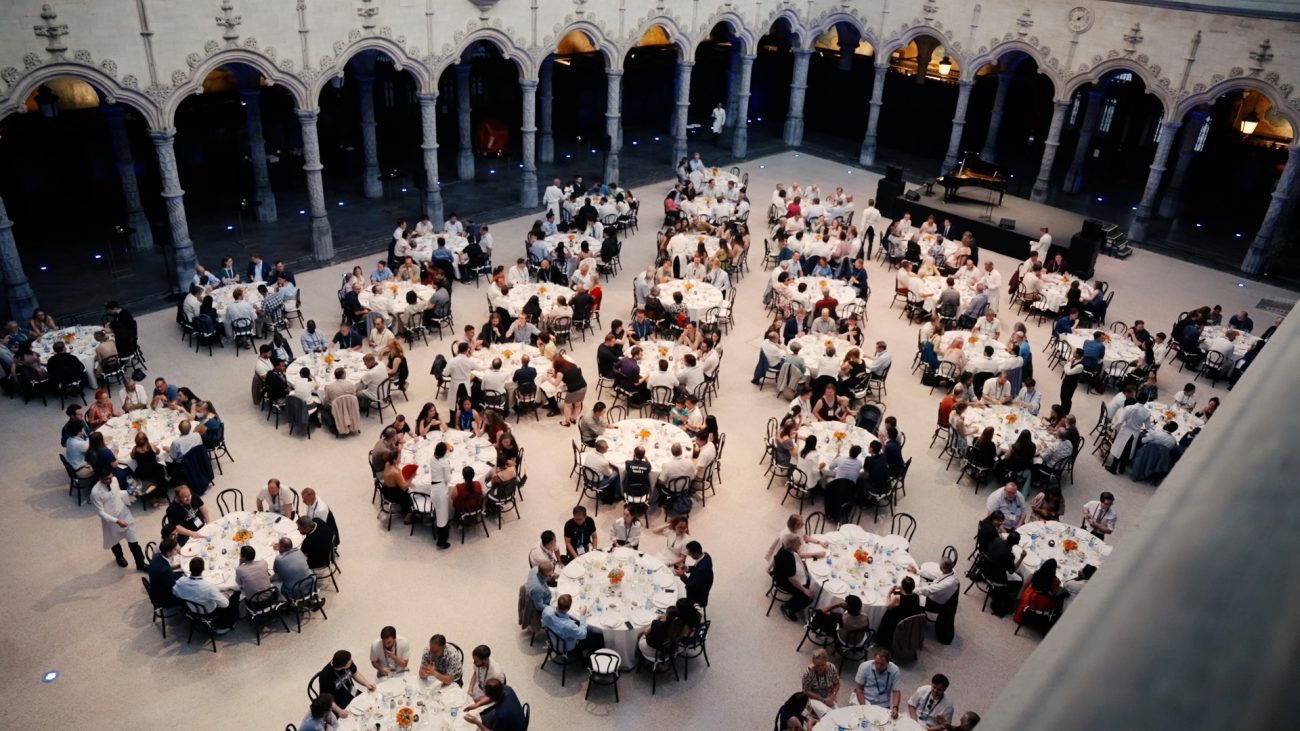
The social programme used that urban setting rather than separating delegates from it. The congress dinner took place at the historic Handelsbeurs, while delegates could also experience Antwerp ZOO, immediately alongside the congress venue. The scientific programme, accommodation and social experience did not need to occupy separate parts of the destination. They could form part of the same compact congress environment.
For EuChemS, however, making those connections possible began well before delegates arrived. The successful bid was developed through cooperation between the Royal Flemish Chemical Society (KVCV), Antwerp Convention Bureau and local partners. The Bureau supported KVCV in preparing the bid and, once Antwerp had been selected, continued by helping connect organisers with local stakeholders, coordinate visits to the innovation ecosystem, support accommodation arrangements and develop elements of the social programme.
As Dr Christophe De Bie, President of KVCV and Co-Chair of the Local Organising Committee, put it: “The collaboration with Antwerp Convention Bureau went very well from the beginning. Already during the bidding phase, they helped us a lot with preparing a convincing proposal.”
What Remains After 1,408 Delegates Leave?
The immediate value of an international congress can be counted relatively easily. ECC10 attracted 1,408 delegates from 66 countries and generated an estimated €1.4 million or more in direct local spending. The more interesting question is what happens beyond those numbers.
Nearly a third of participants were students, predominantly PhD researchers. They arrived in a city where chemistry is a major part of the economy, and where companies and innovation hubs are actively looking at how the industry can evolve. The congress therefore created opportunities for Antwerp’s scientific and industrial community to connect with both established international researchers and the generation likely to shape the sector next.
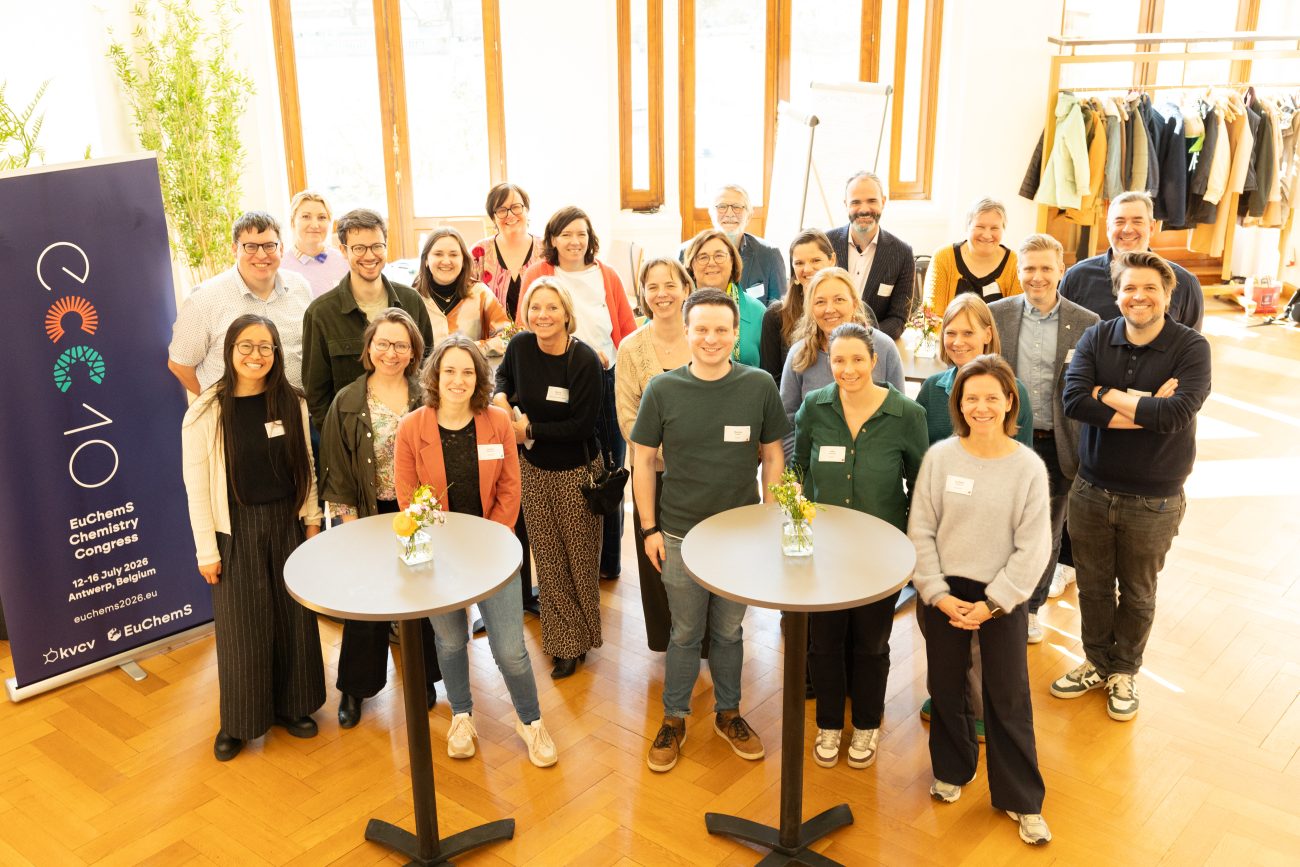
That longer-term thinking was also built into ECC10 through an impact journey developed with the Royal Flemish Chemical Society (KVCV) and facilitated by Flanders Convention Bureau. A stakeholder workshop brought together around 30 representatives from academia, industry, entrepreneurship networks, the Port of Antwerp-Bruges, the city and destination partners to explore how the congress could create value beyond the event itself. Among the ideas to emerge was the ambition for a future public event in Antwerp, inviting citizens to discover how chemistry contributes to everyday life, innovation and more sustainable solutions.
There is also value flowing in the opposite direction. Bringing an international scientific community into the local ecosystem exposes companies, institutions and researchers to ideas and networks that might otherwise have to be sought elsewhere. As Vermeulen points out, however, those connections need to be actively facilitated rather than left to happen by chance.
That may ultimately be the more useful lesson of ECC10 for associations considering their next host destination. Alignment between a congress and a city’s economic strengths is valuable, but only when those strengths can be opened up to the event. For five days, ECC10 did precisely that.
Could Antwerp’s expertise add another dimension to your next congress? Explore Antwerp as a congress destination